Product safety is essential for businesses that want to sell goods in Indonesia. Before entering the market, companies must ensure that their products meet the required safety, health, and environmental standards.
One important requirement is K3L Registration in Indonesia. K3L stands for Security, Safety, Health, and the Environment. It aims to protect consumers and the environment from potential product risks.
For manufacturers and importers, understanding K3L requirements is important. They need to know which products require registration, what tests are necessary, and how to complete the application.
This guide explains the K3L testing process, registration requirements, and important steps for businesses in Indonesia.
What Is K3L in Indonesia?
K3L is a product compliance requirement that helps protect consumers from goods that may create safety, health, or environmental risks.
The Indonesian Ministry of Trade regulates the registration of goods related to K3L. This requirement applies to certain locally manufactured and imported products before they enter the Indonesian market.
Under Minister of Trade Regulation No. 33 of 2025, the product list includes 42 categories of goods:
-
20 categories of goods containing hazardous chemicals.
-
22 categories of electrical and electronic goods.
However, not all products require K3L registration. Businesses must first check the official product list and identify the applicable requirements.
Why Is K3L Testing Important?
K3L testing helps businesses identify potential product risks before selling their goods. It also provides evidence that products meet the applicable requirements.
Here are four key benefits of K3L testing.
1. Protecting Consumer Safety
Some products may contain hazardous substances or create electrical risks. Therefore, testing helps identify possible dangers and check whether products meet the required safety parameters.
2. Meeting Product Compliance Requirements
Laboratory testing provides evidence of product compliance. This evidence also supports the K3L registration application.
3. Reducing Business Risks
Selling products without the required registration may lead to regulatory problems. For this reason, importers should check the rules before importing or distributing their goods.
4. Building Consumer Confidence
Safe and compliant products can help businesses gain customer trust. In addition, they can strengthen relationships with distributors and business partners.
Which Products Require K3L Registration?
K3L registration applies to specific products listed in Indonesian regulations. These products generally fall into two main groups.
1. Electrical and Electronic Products
Certain electrical and electronic products must meet safety requirements. These requirements may cover risks such as electric shock.
Depending on the product category, laboratory testing may include several electrical safety parameters.
2. Products Containing Hazardous Chemicals
Some products contain chemical substances that may harm consumers or the environment.
In this case, testing helps determine whether the chemical content meets the applicable limits.
However, product names alone may not be enough to identify registration requirements. Businesses should also check the product function, classification, and relevant testing parameters.
K3L Testing Requirements in Indonesia
Before applying for K3L registration, businesses must prepare a laboratory test report that matches the product.
The report should clearly identify the product’s brand, type, or model. It must also follow the testing methods and parameters for the relevant product category.
In addition, the Ministry of Trade requires laboratory test results issued no more than six months before the application date.
Testing requirements may vary between product categories. Therefore, importers should confirm the applicable parameters before sending their products to a laboratory.
How Does the K3L Testing Process Work?
The K3L testing process involves several steps. Businesses should complete each stage carefully to avoid unnecessary delays.
Step 1: Identify the Product Category
First, check whether the product appears on the official K3L product list.
Review its function, type, and classification. This step helps businesses identify the correct registration and testing requirements.
Step 2: Check the Testing Parameters
Next, review the testing parameters and methods for the product category.
This information helps businesses understand which tests they need. It also reduces the risk of conducting the wrong laboratory tests.
Step 3: Conduct Laboratory Testing
After confirming the requirements, arrange testing with a laboratory that can perform the required tests.
The laboratory will examine the product based on the applicable parameters. Once testing is complete, the laboratory will issue a report containing the results.
Step 4: Review the Test Report
Before applying, check the information in the laboratory report.
Make sure the brand, type, and model match the actual product. Also, confirm that the report meets the required validity period.
Step 5: Prepare the Registration Documents
Finally, prepare the supporting documents for the K3L registration application.
Check every document before submission. Complete and consistent information can help reduce the risk of application delays.
K3L Product Registration Requirements
Businesses must prepare several documents when applying for a new K3L registration.
The general requirements include:
-
Self-Declaration of Conformity: A statement confirming that the product meets the applicable requirements.
-
Laboratory Test Report: A report showing the test results and identifying the product’s brand, type, or model. It must be issued no more than six months before the application date.
-
Product Photos: Clear photos that show the physical product.
-
Distribution Information: A list of distributors, agents, wholesalers, and/or retailers, including their addresses.
Some products may require additional documents. This may apply to goods made from materials that already have K3L registration requirements.
Therefore, businesses should review the latest document checklist before submitting their applications.
How to Apply for K3L Registration in Indonesia
The K3L registration process uses Indonesia’s online business licensing systems.
For a new application, manufacturers or importers can submit their documents through the Online Single Submission (OSS) system.
Meanwhile, businesses can submit changes or re-registration applications through INATRADE using OSS Single Sign-On (SSO) access.
After submission, applicants should monitor the application status. They may also need to provide additional information or correct documents if requested.
According to the Ministry of Trade information referenced for this guide, a complete and correct application can receive registration within a maximum of three working days.
K3L Registration Number and Product Labeling
After receiving K3L registration, businesses must follow the applicable product identification requirements.
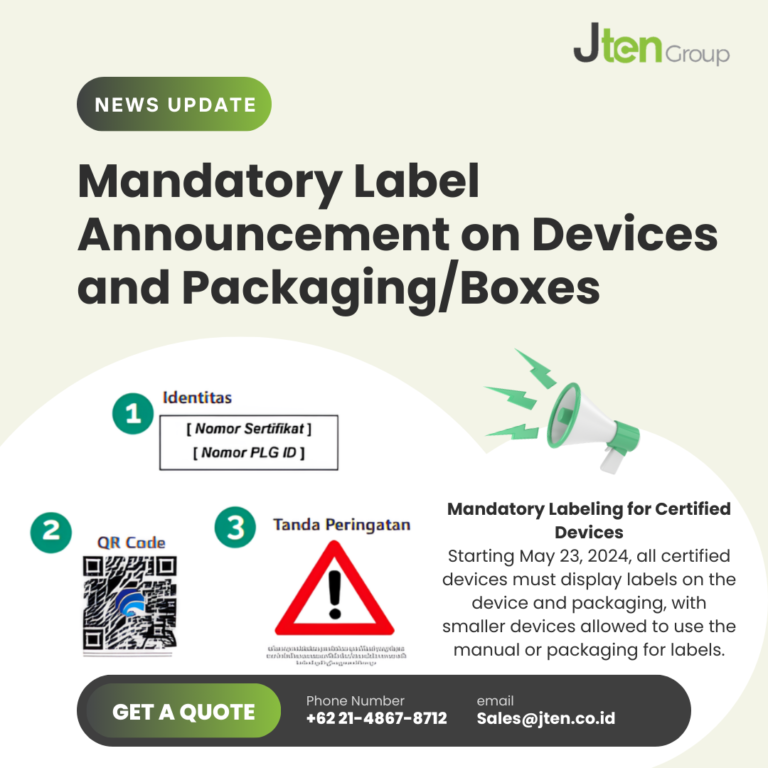
The K3L registration number must appear on the product and/or its packaging. Place it where consumers can easily see and read it.
The number should also be durable and resistant to damage.
As a result, consumers and relevant parties can identify registered products more easily. This information also supports product traceability in the market.
Common Challenges in K3L Compliance
Businesses may face several challenges during the K3L registration process. Understanding these issues can help importers prepare better.
Incorrect Product Classification
Incorrect classification can lead to the wrong testing requirements. To avoid this problem, businesses should compare their products with the official product list.
Incomplete Laboratory Reports
Missing product details or outdated test reports may affect the application. Therefore, always check the report before submitting it.
Inconsistent Product Information
Differences between the product and its supporting documents can cause delays. For example, the brand or model in the test report may not match the registration documents.
To prevent this issue, use consistent product information across all documents.
Limited Understanding of Regulations
K3L requirements may differ depending on the product category. In addition, regulations may change over time.
For this reason, importers should follow the latest official information before starting the registration process.
K3L Compliance Checklist for Importers
Before distributing products in Indonesia, importers should complete the following checklist:
-
Confirm whether the product requires K3L registration.
-
Check the applicable testing parameters and methods.
-
Prepare a valid laboratory test report.
-
Make sure product details match across all documents.
-
Prepare the self-declaration of conformity.
-
Provide clear product photos.
-
Prepare distributor details and business addresses.
-
Submit the application through the correct online system.
-
Display the K3L registration number on the product and/or packaging.
By following this checklist, businesses can prepare their products more effectively and reduce common registration problems.
How JTen Can Support Your Product Compliance Process
Understanding Indonesian product regulations can be challenging, especially for foreign manufacturers and importers.
JTen provides information and support related to product certification and compliance requirements in Indonesia. With proper preparation, businesses can better understand the documents, testing procedures, and registration steps.
Whether you are preparing to import electrical products or other regulated goods, understanding the applicable requirements is an important first step.
Contact JTen:
-
Website: https://jten.co.id/
-
Email: sales@jten.co.id
-
WhatsApp: +62 21-4867-8712