Uncategorized

Uncategorized

Laboratory Testing Services for Postel, SNI, and Product Compliance

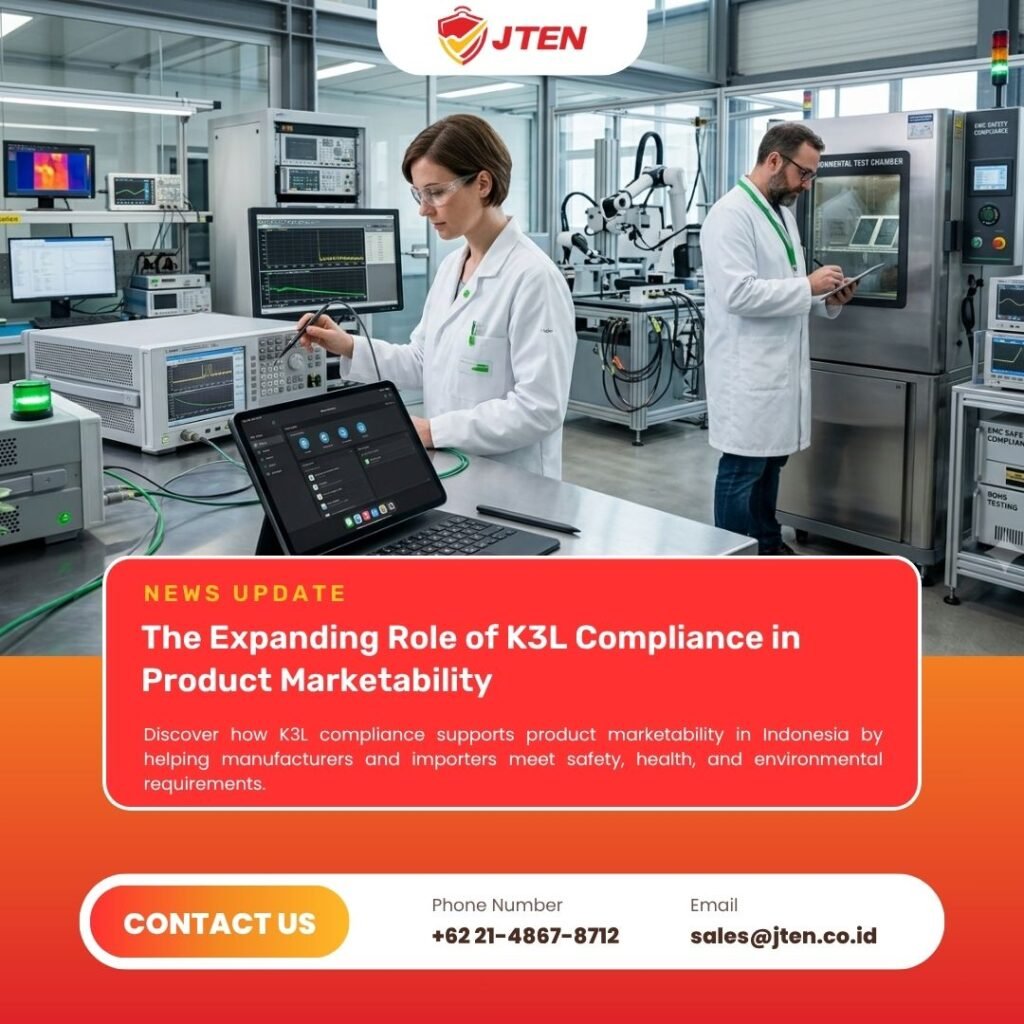
Bringing a product to the Indonesian market involves more than manufacturing, importing, and distribution. Before many products can be legally sold, they must demonstrate compliance with applicable technical and regulatory requirements. One of the most important steps in this process is laboratory testing. Whether a product requires Postel certification, SNI certification, K3L compliance, or other regulatory approvals, testing serves as the foundation for proving that the product meets required standards. Without proper testing, obtaining certification can become significantly more challenging, leading to delays, additional costs, and compliance risks. Why Laboratory Testing Matters Laboratory testing provides objective evidence that a product complies with technical requirements established by regulators and certification bodies. Testing helps verify that a product: The resulting test reports often become critical supporting documents during the certification process. The Role of Testing in Product Certification Many businesses assume certification begins when documents are submitted to authorities. In reality, certification often starts much earlier with technical evaluations conducted in qualified laboratories. Testing results help regulators and certification bodies determine whether a product is suitable for approval and market distribution. Laboratory Testing for Postel Certification Wireless and telecommunication products typically require technical testing before obtaining Postel (DJID) certification. Examples of products include: Testing may evaluate areas such as: Radio Frequency (RF) Performance Ensuring the device operates within approved frequency bands. Electromagnetic Compatibility (EMC) Verifying that the product does not cause harmful interference to other devices. SAR Evaluation For applicable devices, assessing radio frequency exposure requirements. These tests help demonstrate compliance with Indonesian telecommunications regulations. Laboratory Testing for SNI Certification For many electrical and consumer products, SNI certification requires testing against applicable Indonesian standards. Common product categories include: Testing may assess: Electrical Safety Protection against electric shock and other hazards. Product Performance Verification of product functionality and reliability. Mechanical and Structural Safety Assessment of product durability and safe construction. SNI testing helps ensure products meet national quality and safety expectations. Testing for Other Product Compliance Requirements In addition to Postel and SNI, laboratory testing may support various compliance programs. Examples include: K3L Compliance Environmental and safety-related evaluations for applicable products. Energy Efficiency Programs Testing to verify energy consumption and efficiency claims. Industry Specific Regulations Certain sectors may require specialized testing based on product function and intended use. Common Challenges Businesses Face Many manufacturers and importers encounter difficulties during testing because of: Incomplete Technical Documentation Missing specifications can delay testing activities. Incorrect Product Classification Selecting the wrong testing pathway may increase costs and timelines. Product Design Issues Compliance concerns sometimes become apparent only after testing begins. Lack of Regulatory Understanding Businesses may not know which tests apply to their products. These challenges highlight the importance of early planning and expert guidance. Benefits of Early Testing Preparation Preparing for testing before certification begins can provide significant advantages. Faster Certification Process Well-prepared products often move through certification more efficiently. Reduced Compliance Risks Potential issues can be identified before regulatory submission. Lower Costs Addressing technical problems early is typically more cost-effective. Improved Market Readiness Businesses can launch products with greater confidence. Why Choose JTen for Testing and Compliance Support? JTen (Jelajah Teknologi Nusa) provides comprehensive testing and certification support for businesses entering the Indonesian market. Our services include: By working with trusted testing laboratories and certification partners, JTen helps simplify complex regulatory processes. From Testing to Certification Testing is not just a regulatory formality it is the foundation of product compliance. A reliable testing strategy helps businesses: The stronger the testing preparation, the more efficient the certification journey becomes. Conclusion Whether your product requires Postel certification, SNI certification, K3L compliance, or other regulatory approvals, laboratory testing plays a critical role in demonstrating compliance and supporting market access. By understanding testing requirements early and partnering with experienced compliance professionals, businesses can reduce risks, accelerate approvals, and bring products to market more efficiently. Partner with JTen for reliable laboratory testing services and comprehensive certification support to ensure your products meet Indonesia’s regulatory requirements with confidence.

Uncategorized

Why Wearable Devices May Need SAR Evaluation

Introduction Wearable technology has become an essential part of modern life. From smartwatches and fitness trackers to smart glasses and wireless health monitoring devices, wearables are transforming how people communicate, exercise, work, and manage daily activities. As these devices become more sophisticated, many now incorporate wireless communication technologies such as Bluetooth, Wi-Fi, LTE, and cellular connectivity. While these features provide convenience and functionality, they also introduce regulatory requirements that manufacturers and importers must understand. One important aspect of wireless device compliance is SAR (Specific Absorption Rate) evaluation, which may be required as part of Indonesia’s Postel (DJID) certification process. What Is SAR? SAR stands for Specific Absorption Rate, a measurement used to assess the amount of radio frequency (RF) energy absorbed by the human body when using a wireless device. SAR evaluation helps determine whether a device operates within internationally recognized safety limits for RF exposure. The purpose is to ensure that wireless products remain safe for consumers during normal usage. Why SAR Matters for Wearable Devices Unlike many electronic devices, wearables are often used in direct contact with the body for extended periods. Examples include: Because these products are worn on the wrist, head, or other parts of the body, regulators pay particular attention to RF exposure considerations. The Wireless Technologies Inside Wearables Modern wearables rely heavily on wireless communication. Common technologies include: Bluetooth Used for pairing with smartphones, tablets, and other connected devices. Wi-Fi Allows synchronization, cloud connectivity, and internet access. Cellular Connectivity Some smartwatches and wearable devices include LTE or other cellular technologies that allow independent communication without a smartphone. NFC Used for contactless payments and device pairing. Each of these wireless functions may contribute to the overall RF exposure profile of the device. Which Wearable Devices May Require SAR Evaluation? Depending on the product design and wireless capabilities, SAR evaluation may be applicable to devices such as: ✅ Smartwatches ✅ Fitness trackers ✅ Smart glasses ✅ Wearable communication devices ✅ Health monitoring wearables ✅ Cellular-enabled wearable products The evaluation requirements often depend on the device’s wireless transmission characteristics and how it is intended to be used. Why SAR Evaluation Is Important for Postel Certification Indonesia regulates wireless communication devices to ensure they meet technical and safety requirements. SAR evaluation helps demonstrate that a wearable device: For manufacturers and importers, SAR compliance can be an important component of the certification pathway. Common Misconceptions About Wearables Many businesses assume that small devices automatically present minimal regulatory concerns. However, device size is not the primary factor regulators consider. A compact smartwatch or smart glasses product may still contain multiple wireless transmitters operating close to the body. As a result, wearable products often require careful compliance assessment before entering the market. Risks of Ignoring SAR Requirements Failing to address SAR evaluation requirements can create several challenges. Certification Delays Additional testing or documentation may be required later in the approval process. Market Entry Delays Products may face delays before receiving regulatory approval. Increased Compliance Costs Resolving compliance issues after product development or importation can be more expensive. Regulatory Complications Incomplete compliance preparation may affect certification timelines. How Manufacturers Can Prepare Businesses can reduce risks by preparing early. Review Wireless Features Identify all RF communication technologies used in the product. Assess Device Usage Conditions Understand how and where the device will be worn. Prepare Technical Documentation Ensure product specifications and RF information are complete. Consult Compliance Specialists Early guidance can help determine whether SAR evaluation may be required. The Growing Importance of Wearable Compliance The wearable technology market continues to expand rapidly. As devices become more connected and feature rich, compliance requirements are becoming increasingly important. Manufacturers that proactively address certification and safety considerations are often better positioned to achieve smoother market entry and faster regulatory approval. How JTen Can Help JTen (Jelajah Teknologi Nusa) provides comprehensive support for Postel certification and wireless device compliance. Our services include: With JTen’s expertise, businesses can confidently navigate Indonesia’s regulatory landscape for wearable technology products. Conclusion Wearable devices may be small, but the wireless technologies inside them can create important compliance obligations. Because these products are used close to the human body, SAR evaluation plays a key role in demonstrating RF safety and supporting regulatory approval. Partner with JTen to understand your wearable device compliance requirements and ensure a smoother path toward Postel certification in Indonesia.

Uncategorized

The Invisible Wireless Technology Inside Smart Glasses

Smart glasses are rapidly transforming the wearable technology market. Once considered futuristic gadgets, they are now being used for communication, entertainment, fitness, navigation, and even workplace productivity. At first glance, smart glasses may appear to be ordinary eyewear. However, hidden inside these devices are sophisticated wireless technologies that allow them to connect seamlessly with smartphones, tablets, and other electronic devices. For manufacturers, importers, and distributors planning to sell smart glasses in Indonesia, these wireless capabilities raise an important question: Do smart glasses require Postel certification? The answer often depends on the wireless technologies embedded within the product. More Than Just Eyewear Modern smart glasses combine traditional eyewear with advanced electronic components. Depending on the model, smart glasses may include: These capabilities rely on wireless communication technologies that transmit and receive radio frequency (RF) signals. The Invisible Technology Inside Smart Glasses Most users focus on what smart glasses can do rather than how they work. Behind the lenses and frames are compact wireless modules that enable real-time communication with external devices. Bluetooth Connectivity Bluetooth is one of the most common technologies found in smart glasses. It enables features such as: Because Bluetooth uses radio frequencies, it falls within the scope of telecommunications regulations in many countries, including Indonesia. Wireless Audio Transmission Many smart glasses feature integrated speakers that allow users to listen to music, podcasts, or phone calls without traditional headphones. These functions depend on continuous wireless communication between the glasses and connected devices. Smart Device Synchronization Some smart glasses synchronize notifications, messages, navigation information, and health data using wireless connections. This further increases their role as RF enabled communication devices rather than simple accessories. Why Postel Certification May Be Required Indonesia regulates devices that use radio frequency technology to ensure that they operate safely and efficiently within approved frequency bands. Postel certification helps verify that wireless products: Since Bluetooth enabled smart glasses contain wireless transmission modules, they may be subject to Postel certification requirements before being marketed in Indonesia. Which Smart Glasses Typically Require Certification? Products that commonly require regulatory assessment include: ✅ Bluetooth smart glasses ✅ Audio smart glasses ✅ Smart glasses connected to mobile applications ✅ Smart glasses with voice assistant functions ✅ Multi function wearable devices with wireless connectivity In most cases, the presence of wireless communication technology is the key factor that triggers certification obligations. Common Misconceptions About Smart Glasses Many businesses assume that smart glasses are simply wearable accessories and therefore do not require telecommunications approval. However, regulators evaluate products based on their technical functions rather than their appearance. A product may look like ordinary eyewear, but if it contains Bluetooth or other wireless technologies, compliance requirements may apply. This misunderstanding is one of the most common causes of certification delays among importers. Risks of Overlooking Certification Requirements Failing to identify certification obligations can create several challenges. Import Delays Products may encounter customs clearance issues if compliance requirements have not been addressed. Market Entry Restrictions Products may not be legally distributed without the necessary approvals. Increased Compliance Costs Correcting compliance issues after importation is often more expensive than preparing in advance. Product Launch Delays Unexpected certification requirements can disrupt launch schedules and sales plans. How Manufacturers and Importers Can Prepare Businesses can reduce compliance risks by taking several proactive steps. Review Product Specifications Identify all wireless communication features contained within the device. Assess Wireless Technologies Determine whether the product includes Bluetooth, Wi-Fi, or other RF communication modules. Prepare Technical Documentation Ensure user manuals, specifications, and wireless module information are complete and accurate. Consult Compliance Experts Early Early evaluation helps businesses avoid unnecessary delays and regulatory complications. How JTen Can Help JTen (Jelajah Teknologi Nusa) provides professional support for Postel certification and product compliance in Indonesia. Our services include: With JTen’s expertise, manufacturers and importers can confidently introduce innovative wearable technologies to the Indonesian market. Conclusion Smart glasses may look like ordinary eyewear, but the wireless technologies hidden inside them place these devices within Indonesia’s telecommunications regulatory framework. Understanding certification requirements before importation and distribution can help businesses avoid delays, reduce compliance risks, and ensure smooth market entry. Partner with JTen to simplify the Postel certification process and bring your smart glasses products to Indonesia with confidence.

Uncategorized

Your Product Could Miss Major Opportunities Without TKDN

Many businesses view TKDN (Tingkat Komponen Dalam Negeri) as simply another regulatory requirement. However, in today’s Indonesian market, TKDN has evolved into something much more significant. For manufacturers, importers, and technology providers, TKDN can influence market access, project eligibility, competitiveness, and long-term business growth. Companies that overlook TKDN requirements may find themselves missing valuable opportunities that their competitors are able to secure. If your business plans to expand in Indonesia, understanding the strategic value of TKDN is becoming increasingly important. What Is TKDN? TKDN, or Domestic Component Level, measures the percentage of local content involved in a product, service, or production process. The calculation may consider factors such as: The resulting percentage reflects the contribution of domestic resources to the final product. Why TKDN Is Becoming More Important Indonesia continues to encourage industrial growth and local value creation through various policies and initiatives. As a result, TKDN has become a key consideration in multiple sectors, including: Businesses that understand and prepare for TKDN requirements are often better positioned to take advantage of market opportunities. The Opportunities You Could Miss Without TKDN Many companies focus only on product quality and pricing when entering the Indonesian market. While those factors remain important, TKDN can sometimes become an equally critical requirement. Access to Government Procurement Projects One of the biggest opportunities linked to TKDN is participation in government procurement programs. Many public sector projects prioritize products with recognized local content value. Without adequate TKDN compliance, companies may find themselves excluded from certain procurement opportunities, regardless of product quality or competitive pricing. Greater Competitiveness in the Market Businesses with strong TKDN performance often gain an advantage when competing in sectors that encourage domestic contribution. Customers and project owners may view compliant products as more aligned with local development objectives. This can improve a company’s chances of securing contracts and partnerships. Expansion Into Strategic Industries Several industries increasingly consider TKDN during procurement and investment decisions. Examples include: Telecommunications and ICT Network equipment, communication devices, and digital infrastructure products often face growing local content expectations. Energy Projects Energy-related developments frequently involve local content considerations. Industrial Development Manufacturing and industrial projects may also prioritize products with domestic contributions. Companies without TKDN strategies may face challenges accessing these sectors. The Competitive Advantage of Early TKDN Planning Many successful companies do not wait until the final stages of a project to think about TKDN. Instead, they incorporate local content strategies early in product development and market planning. Benefits of early preparation include: Early planning often provides greater flexibility than attempting to meet requirements later. Can Imported Products Achieve TKDN? A common misconception is that imported products automatically cannot meet TKDN requirements. In reality, many companies improve their TKDN value through: These strategies can help businesses increase local content contributions while maintaining product quality and global standards. Common Challenges Businesses Face Despite its benefits, companies often encounter challenges such as: Understanding TKDN Calculations The calculation methodology can be complex and varies depending on the product category. Documentation Requirements Supporting evidence and documentation must be properly prepared. Supply Chain Adjustments Increasing local content may require operational and sourcing changes. Regulatory Interpretation Companies must understand how TKDN requirements apply to their specific products and industries. These challenges make professional guidance particularly valuable. Why Waiting Can Be Costly Some businesses only begin considering TKDN after discovering it is required for a specific project or opportunity. This reactive approach can lead to: By the time an opportunity appears, it may be too late to implement the necessary local content strategy. How JTen Can Help JTen (Jelajah Teknologi Nusa) helps businesses understand and navigate TKDN requirements in Indonesia. Our services include: With JTen’s expertise, businesses can identify opportunities, reduce compliance risks, and develop effective local content strategies. Conclusion TKDN is no longer just a regulatory consideration, it has become a strategic factor that can influence business growth and market access in Indonesia. Companies that proactively address TKDN requirements are often better positioned to participate in projects, strengthen competitiveness, and unlock new opportunities. Don’t let your product miss valuable opportunities. Partner with JTen to understand your TKDN obligations and maximize your potential in the Indonesian market.

Uncategorized

Not Sure What Certification Your Product Needs in Indonesia? We Can Help

Entering the Indonesian market can be a huge opportunity for manufacturers, importers, and brand owners. However, one challenge often creates confusion before products can be legally sold: certification requirements. Many businesses struggle to determine which certifications apply to their products. Does the product require Postel certification? Is SNI mandatory? What about TKDN or other regulatory approvals? The answer depends entirely on the product’s technology, function, category, and applicable Indonesian regulations. Understanding these requirements early is essential to avoid delays, compliance issues, and unexpected costs. Why Certification Matters in Indonesia Indonesia regulates many types of products to ensure: Without the required certifications, products may face: This is why compliance should never be treated as an afterthought. Different Products Require Different Certifications One of the biggest misconceptions among businesses is assuming that all products follow the same certification process. In reality, every product category may have different obligations. Products That May Require Postel Certification Products with wireless or radio frequency features often require Postel (DJID/SDPPI) certification. Examples include: Even products with hidden RF modules may fall under telecommunication regulations. Products That May Require SNI Certification Certain electrical and consumer products may require SNI certification before entering the Indonesian market. Examples include: SNI helps ensure product safety and quality standards. Products That May Require TKDN Compliance Some industries and projects prioritize products with local content value (TKDN). TKDN considerations are particularly important for: Understanding TKDN early can help businesses improve competitiveness in Indonesia. Why Businesses Often Get Confused Many companies face difficulties because: For example, a smart kitchen appliance may require both: Without proper assessment, businesses may miss important compliance obligations. Common Risks of Incorrect Certification Planning Failing to identify certification requirements early can result in: Delayed Product Launches Certification issues can slow down importation and distribution. Increased Operational Costs Unexpected testing and compliance procedures can increase expenses. Regulatory Complications Incorrect product classification may create approval challenges. Reputational Risks Compliance issues may negatively affect customer trust and business credibility. How to Identify the Right Certification To determine which certifications apply, businesses should evaluate: Product Function What does the product do? Wireless Features Does it use Bluetooth, WiFi, RF, or cellular technology? Electrical Components Does the product involve electrical operation or heating systems? Intended Market Will the product enter consumer, industrial, or government sectors? Applicable Indonesian Regulations Different product categories follow different regulatory frameworks. How JTen Can Help JTen (Jelajah Teknologi Nusa) helps businesses simplify Indonesia’s complex certification landscape. Our services include: With JTen, businesses can better understand their obligations and prepare products for smooth market entry. Conclusion Not every product requires the same certification in Indonesia. Depending on the technology and product category, businesses may need Postel, SNI, TKDN, or other regulatory approvals. Understanding these requirements early can help reduce risks, avoid delays, and improve market readiness. Not sure what certification your product needs? Partner with JTen to identify the right compliance pathway and bring your products to Indonesia with confidence.

Uncategorized

Imported Cookware Can’t Be Sold in Indonesia Without SNI Here’s Why

Indonesia’s demand for imported cookware and kitchen appliances continues to grow rapidly. From electric kettles and rice cookers to induction stoves and air fryers, consumers are increasingly seeking modern and high quality kitchen products. However, many importers are unaware that certain cookware and cooking appliances cannot be legally sold in Indonesia without meeting mandatory certification requirements, including SNI (Standar Nasional Indonesia) compliance. Failing to understand these regulations can lead to delays, additional costs, and even restrictions on market distribution. Why SNI Matters for Imported Cookware Cooking appliances are closely related to consumer safety because they involve: Products that fail to meet safety standards may create risks such as: This is why Indonesia applies SNI requirements to certain household and kitchen appliances before they can enter the market. What Is SNI Certification SNI (Standar Nasional Indonesia) is Indonesia’s national standard system used to ensure product safety, quality, and compliance. For imported cookware and kitchen appliances, SNI certification helps verify that products meet applicable technical and safety requirements before being distributed to consumers. The certification process may involve: Which Imported Cooking Products Commonly Require SNI? Several kitchen and cooking products may fall under mandatory SNI requirements, including: 🍚 Rice Cookers Widely used household appliances that involve electrical heating systems. 🍳 Electric Cooking Appliances Such as: ☕ Electric Kettles Products that generate heat and operate using electrical power. 🍟 Air Fryers Modern cooking appliances with heating and airflow systems. 🔥 Other Household Cooking Equipment Depending on product category and applicable regulations. Why Many Importers Face Compliance Problems Many businesses assume imported products are automatically acceptable because they already comply with overseas standards. However, Indonesian regulations may differ from standards used in other countries. Common issues include: These mistakes often result in delays and unexpected compliance costs. Risks of Selling Non Compliant Products Ignoring SNI obligations can create serious business risks. Import Delays Products may be held during customs clearance. Market Restrictions Products may not be legally distributed in Indonesia. Product Withdrawal Risks Authorities may require non compliant products to be removed from the market. Reputation Damage Compliance issues may affect consumer trust and brand credibility. Benefits of SNI Compliance Obtaining SNI certification offers several advantages beyond regulatory approval. Consumer Trust Certified products are often perceived as safer and more reliable. Stronger Market Access Compliance supports smoother product distribution in Indonesia. Better Business Reputation Certification demonstrates commitment to quality and safety. Reduced Regulatory Risk Early compliance preparation helps avoid future complications. How Importers Can Prepare Businesses should take proactive steps before importing cookware products into Indonesia. Review Product Specifications Identify whether the product falls under mandatory SNI requirements. Prepare Technical Documentation Ensure product specifications and supporting documents are complete. Verify Applicable Regulations Different products may be subject to different standards. Work With Compliance Experts Professional guidance can help simplify the certification process and reduce delays. How JTen Can Help JTen (Jelajah Teknologi Nusa) supports manufacturers and importers in navigating Indonesia’s certification requirements. Our services include: With JTen, businesses can prepare their products for the Indonesian market more efficiently and confidently. Conclusion Imported cookware and kitchen appliances are more than just household products, they are regulated products that may require SNI certification before entering the Indonesian market. Understanding these requirements early can help importers avoid delays, reduce compliance risks, and ensure smooth product distribution. Partner with JTen to simplify your SNI certification process and bring compliant kitchen products to Indonesia with confidence.

Uncategorized

Gaming Keyboards with Wireless Features: Do They Need Postel Certification?

Gaming keyboards have evolved far beyond traditional computer peripherals. Modern gaming keyboards now offer advanced features such as ultra-low latency wireless connectivity, Bluetooth pairing, multi device switching, and customizable software integration. While these innovations provide greater flexibility and performance for gamers, they also introduce an important regulatory consideration in Indonesia: Postel certification. If you manufacture, import, or distribute wireless gaming keyboards, understanding these requirements is essential before bringing products to market. Why Wireless Gaming Keyboards Are Different Unlike wired gaming keyboards that communicate through a physical USB connection, wireless gaming keyboards rely on radio frequency (RF) technology to transmit data. Common wireless technologies found in gaming keyboards include: These technologies allow keystrokes to be transmitted wirelessly to a PC, laptop, tablet, or gaming console. Because radio frequencies are involved, the device may fall within Indonesia’s telecommunications regulatory framework. The Hidden RF Technology Behind Every Keystroke Many people view gaming keyboards simply as input devices. However, every wireless keystroke is actually transmitted through a built in radio module. For example: Bluetooth Gaming Keyboards Bluetooth enabled keyboards use RF technology to establish communication with connected devices. 2.4 GHz Wireless Gaming Keyboards Many gaming focused models use dedicated wireless receivers to achieve faster response times and lower latency. Multi Mode Gaming Keyboards Premium gaming keyboards often support both Bluetooth and 2.4 GHz wireless connections, increasing their flexibility while also increasing compliance considerations. Why Postel Certification May Be Required Indonesia regulates products that use radio frequency technology to ensure: Since wireless gaming keyboards actively transmit RF signals, they may require Postel certification before being legally marketed in Indonesia. Which Gaming Keyboards Typically Require Certification? The following products commonly require compliance evaluation: ✅ Bluetooth gaming keyboards ✅ Wireless gaming keyboards with USB RF receivers ✅ Tri-mode gaming keyboards (wired, Bluetooth, and 2.4 GHz) ✅ Mechanical gaming keyboards with wireless functionality ✅ Gaming keyboard and mouse wireless combo sets What About Wired Gaming Keyboards? Traditional wired gaming keyboards generally do not contain wireless communication modules. Because they communicate through a direct cable connection, they typically do not fall under Postel certification requirements. However, businesses should always verify product specifications carefully, especially for models marketed as hybrid or multi mode devices. Common Mistakes Made by Importers Many importers encounter delays because they: These oversights can create compliance challenges later in the import process. Risks of Ignoring Certification Requirements Failing to address certification obligations may lead to: Import Delays Products can face customs clearance complications. Regulatory Non Compliance Products may not be legally distributed within Indonesia. Increased Costs Additional testing and certification activities may be required after importation. Delayed Product Launches Market entry timelines may be affected by unexpected compliance issues. How to Prepare for Postel Certification Manufacturers and importers should: Review Wireless Specifications Identify all RF technologies used within the keyboard. Gather Technical Documentation Prepare user manuals, specifications, RF module details, and supporting documents. Assess Applicable Regulations Determine which certification requirements apply to the product. Engage Certification Experts Early Early compliance planning can significantly reduce delays and unexpected costs. How JTen Can Help JTen (Jelajah Teknologi Nusa) helps manufacturers and importers navigate Indonesia’s Postel certification requirements for wireless devices. Our services include: With JTen’s expertise, businesses can confidently launch wireless gaming products in the Indonesian market. Conclusion Wireless gaming keyboards may be designed for speed, performance, and convenience, but they are also RF devices that may be subject to Indonesian telecommunications regulations. Understanding certification requirements before importation or distribution can help businesses avoid delays, reduce compliance risks, and ensure smooth market entry. Partner with JTen to simplify the Postel certification process and bring your wireless gaming keyboard products to Indonesia with confidence.

Uncategorized

What Happens During an SNI Factory Audit A Guide for Manufacturers

Obtaining an SNI (Standar Nasional Indonesia) certificate is not just about product testing. For many regulated products, manufacturers must also undergo a factory audit as part of the certification process. This stage often raises questions among manufacturers, especially those applying for SNI certification for the first time. What do auditors check? How long does the audit take? And what can companies do to prepare? Understanding the audit process can help businesses avoid delays and increase their chances of successful certification. What Is an SNI Factory Audit? An SNI factory audit is an evaluation conducted by a certification body to verify that a manufacturer consistently produces products that comply with applicable SNI requirements. The audit is designed to ensure that product quality is not only achieved during laboratory testing but can also be maintained throughout regular production. In other words, auditors assess whether the factory has adequate systems and controls in place to produce compliant products consistently. Why Is the Audit Important? A product may successfully pass laboratory testing, but certification authorities also need assurance that future production will meet the same standards. The factory audit helps verify: This provides confidence that certified products will continue to meet Indonesian standards after certification is granted. What Do Auditors Typically Review? Although requirements may vary depending on the product category, auditors commonly evaluate several key areas. Quality Management System Auditors assess whether the company has documented procedures to manage production and quality control. They may review: The objective is to confirm that quality processes are implemented effectively. Production Process The manufacturing process is often examined from raw material intake to final product assembly. Auditors may verify: This helps ensure products are manufactured according to established specifications. Quality Control Activities Quality control plays a critical role in maintaining compliance. Auditors often review: They may also verify whether inspection records are maintained properly. Testing Equipment and Calibration Factories are expected to use reliable measuring and testing equipment. Auditors may check: Proper calibration helps ensure that quality measurements remain accurate and consistent. Product Traceability Manufacturers should be able to identify and track products throughout production. Auditors may review: Effective traceability becomes particularly important when handling customer complaints or product recalls. Personnel Competency The competence of employees involved in production and quality control may also be evaluated. Auditors may verify: Well trained personnel help maintain consistent product quality. Common Findings During an Audit Several issues are frequently identified during factory audits, including: Incomplete Documentation Missing procedures or records can create compliance concerns. Uncalibrated Equipment Testing equipment without valid calibration records may affect audit results. Inconsistent Quality Records Incomplete inspection reports often become audit findings. Lack of Process Control Insufficient monitoring of production activities may indicate quality risks. Fortunately, many of these issues can be addressed through proper preparation. How to Prepare for an SNI Factory Audit Manufacturers can improve audit readiness by: Reviewing Documentation Ensure all quality procedures, records, and work instructions are current and available. Verifying Equipment Calibration Check that measuring instruments have valid calibration certificates. Organizing Production Records Maintain complete and easily accessible production and inspection documents. Training Employees Ensure staff understand their responsibilities and are familiar with relevant procedures. Conducting Internal Audits Internal reviews can help identify potential gaps before the official audit takes place. Benefits of Being Audit-Ready Preparation does more than support certification success. An effective audit readiness program can help companies: Many businesses discover that audit preparation leads to broader improvements across their operations. How JTen Can Help JTen (Jelajah Teknologi Nusa) provides comprehensive support for businesses pursuing SNI certification. Our services include: With JTen’s expertise, manufacturers can approach the audit process with greater confidence and efficiency. Conclusion The factory audit is one of the most important stages of the SNI certification process. It helps verify that manufacturers can consistently produce products that meet Indonesian standards. By understanding what auditors evaluate and preparing in advance, companies can reduce certification risks and improve their chances of success. Partner with JTen to navigate your SNI certification journey and ensure your factory is fully prepared for audit requirements.

Uncategorized

What Is TKDN and Why Is It Important in Indonesia

Indonesia continues to strengthen its domestic industry through various policies designed to encourage local production and investment. One of the most important initiatives is TKDN (Tingkat Komponen Dalam Negeri), a framework that measures the percentage of local content used in a product, service, or combination of both. For manufacturers, importers, and technology companies, understanding TKDN is becoming increasingly important. Beyond regulatory compliance, TKDN can influence market access, business opportunities, and competitiveness in Indonesia. What Is TKDN? TKDN, or Domestic Component Level, represents the proportion of local resources utilized in producing a product or delivering a service. The calculation may include factors such as: The higher the local contribution, the higher the TKDN value assigned to the product. Why Was TKDN Introduced? The Indonesian government introduced TKDN to strengthen national industrial capabilities and reduce dependence on imported products. The policy aims to: By prioritizing products with local content, Indonesia seeks to create a stronger and more sustainable industrial ecosystem. Why Is TKDN Important for Businesses? Many companies initially view TKDN as a regulatory requirement. However, its significance extends far beyond compliance. Access to Government Procurement One of the biggest advantages of TKDN is eligibility for government procurement projects. Many public-sector projects prioritize or require products that meet specific TKDN thresholds. Without adequate TKDN compliance, businesses may be unable to participate in valuable procurement opportunities. Stronger Market Competitiveness Products with recognized local content often gain a competitive advantage in sectors where domestic sourcing is encouraged. This can improve a company’s position when competing for contracts, partnerships, and large scale projects. Support for Long Term Business Growth Companies that invest in local manufacturing and supply chains may benefit from: Industries Commonly Affected by TKDN TKDN requirements are particularly relevant in sectors such as: Telecommunications and ICT Telecommunication equipment, network infrastructure, and digital technologies are among the sectors where TKDN plays an increasingly important role. Electronics Manufacturing Many electronic products are subject to local content considerations. Energy and Utilities Power generation and utility projects often incorporate TKDN requirements. Industrial Equipment Manufacturing and industrial machinery may also be affected depending on project requirements. Can Imported Products Meet TKDN Requirements? A common misconception is that imported products automatically fail to meet TKDN requirements. In reality, some companies achieve TKDN compliance by: As a result, imported technologies can sometimes qualify for TKDN through strategic localization efforts. Challenges in Achieving TKDN Compliance While TKDN offers significant benefits, businesses may face several challenges: Complex Calculations Determining local content percentages requires detailed analysis of materials, labor, and production processes. Documentation Requirements Companies must provide accurate supporting documents and evidence. Regulatory Understanding Different industries may be subject to different TKDN requirements and evaluation methods. Supply Chain Adjustments Increasing local content may require changes to sourcing and manufacturing strategies. Benefits of Early TKDN Planning Businesses that consider TKDN early in product development and market entry planning often experience smoother implementation. Early planning can help: Rather than treating TKDN as a last-minute requirement, many successful companies integrate it into their overall business strategy. How JTen Can Help JTen (Jelajah Teknologi Nusa) assists businesses in understanding and navigating TKDN requirements in Indonesia. Our services include: With JTen’s expertise, businesses can better understand their obligations and maximize opportunities in the Indonesian market. Conclusion TKDN is more than just a percentage or a regulatory requirement. It is a strategic policy that supports Indonesia’s industrial development while creating new opportunities for businesses operating in the country. Whether you are a manufacturer, importer, or technology provider, understanding TKDN is essential for successful market participation and long term growth. Partner with JTen to navigate TKDN requirements with confidence and unlock new opportunities in Indonesia’s growing economy.

Uncategorized

Ensuring SNI Compliance for Active Speaker Manufacturers and Importers

Indonesia’s audio equipment market continues to grow as consumers seek better entertainment experiences at home, in offices, and at public venues. Among the most popular products are active speakers, which combine audio amplification and speaker systems into a single device. However, before active speakers can be legally distributed in Indonesia, manufacturers and importers must ensure compliance with applicable regulations, including SNI (Standar Nasional Indonesia) requirements. Understanding these obligations is essential to avoid regulatory issues and ensure successful market entry. Why Active Speakers Require SNI Compliance Unlike passive speakers, active speakers contain built-in electronic components such as amplifiers, power supplies, and control circuits. Because they operate using electrical power, these products must meet safety standards designed to protect consumers from risks such as: SNI certification helps ensure that active speakers are safe for use and comply with Indonesia’s national product standards. What Is SNI Certification SNI (Standar Nasional Indonesia) is the national standard system used to regulate product quality, safety, and performance. For electrical and electronic products, SNI certification serves several purposes: Compliance demonstrates that a product has been evaluated according to recognized technical requirements. Key Safety Aspects Evaluated During the certification process, active speakers may be assessed in several important areas. Electrical Safety Testing helps verify that the product is protected against electrical hazards and operates safely under normal conditions. This includes evaluation of: Temperature and Heat Resistance Active speakers generate heat during operation due to their built in amplifiers. Testing helps ensure that: Mechanical Safety The product’s enclosure and structure may also be reviewed to ensure durability and safe usage. Product Labeling and Documentation Manufacturers must provide accurate documentation, technical specifications, and user information to support compliance requirements. Common Challenges Faced by Importers Many importers assume that audio quality is the primary concern when bringing speaker products into Indonesia. In reality, regulatory compliance often becomes the larger challenge. Common issues include: Addressing these issues early can help prevent costly delays. Risks of Selling Non Compliant Products Failing to meet SNI requirements may result in: Market Access Restrictions Products may be prohibited from entering or circulating in the market. Regulatory Penalties Businesses may face enforcement actions for non compliance. Product Recalls Authorities may require products to be withdrawn from distribution channels. Reputation Damage Compliance issues can negatively affect customer trust and brand credibility. Benefits of Achieving SNI Compliance For manufacturers and importers, certification provides advantages beyond regulatory approval. Increased Consumer Confidence Consumers are more likely to trust products that comply with recognized standards. Stronger Brand Reputation Compliance demonstrates a commitment to product quality and safety. Smoother Market Entry Certified products can move through distribution channels with fewer regulatory obstacles. Long Term Business Growth Compliance creates a stronger foundation for expansion and partnership opportunities. How JTen Can Help JTen (Jelajah Teknologi Nusa) assists manufacturers and importers throughout the certification process. Our services include: With extensive experience in product compliance, JTen helps businesses navigate Indonesian regulations efficiently and confidently. Conclusion Active speakers are more than just entertainment devices, they are electrical products that must meet important safety requirements before entering the Indonesian market. By ensuring SNI compliance, manufacturers and importers can reduce regulatory risks, strengthen consumer trust, and achieve smoother market access. Partner with JTen to simplify your SNI certification journey and bring compliant audio products to Indonesia with confidence.

Scroll to Top