DJID Certification in Indonesia: Complete Guide for Electronic Products
Indonesia is an important market for electronic and telecommunications products. Many people use smartphones, Wi-Fi routers, Bluetooth speakers, CCTV cameras, and smartwatches every day.
However, businesses must understand local rules before they import, manufacture, or sell certain electronic products in Indonesia. They also need to check the technical requirements for each product.
One important requirement is DJID Certification in Indonesia. This certification helps confirm that telecommunications equipment meets the technical standards set by the Indonesian government.
For foreign manufacturers, importers, and local distributors, understanding this process is essential. This guide explains the products that may need certification, the required documents, the application process, and other important details.
What Is DJID Certification?
DJID stands for Direktorat Jenderal Infrastruktur Digital, or the Directorate General of Digital Infrastructure. It operates under Indonesia’s Ministry of Communication and Digital Affairs (Komdigi).
DJID handles several matters related to digital infrastructure. These include the regulation and certification of telecommunications equipment.
DJID certification is a conformity assessment process. It checks whether telecommunications equipment meets the technical standards that apply in Indonesia.
Previously, many businesses knew this process as SDPPI or Postel certification. Manufacturers, importers, and distributors still use these older terms when discussing product certification.
Although the name has changed, businesses must still follow the applicable regulations. One key reference is Minister of Communication and Informatics Regulation No. 3 of 2024 concerning the Certification of Telecommunications Equipment and/or Devices.
Which Electronic Products May Require DJID Certification?
Not every electronic product needs DJID certification. The requirement mainly applies to telecommunications equipment that falls under Indonesia’s technical standards.
For example, products that use radio frequency (RF), Wi-Fi, Bluetooth, or cellular networks may need certification.
Below are some product groups that businesses should check before importing or selling them in Indonesia.
1. Wireless Networking Devices
Wireless networking devices connect users to the internet without physical network cables.
Common examples include:
-
Wi-Fi routers
-
Wireless access points
-
Wi-Fi repeaters
-
4G and 5G modems
-
Wireless network adapters
These products send and receive data through radio signals. Therefore, businesses should check their operating frequencies and technical specifications before applying for certification.
2. Bluetooth Devices
Bluetooth allows electronic devices to communicate over short distances. Many everyday products use this technology.
For example, these products include:
-
Bluetooth speakers
-
Wireless headphones
-
True Wireless Stereo (TWS) earbuds
-
Bluetooth keyboards and mice
-
Bluetooth adapters
Since these devices use radio frequency technology, businesses should check the applicable certification rules. In addition, they should prepare the product specifications early to avoid missing information.
3. CCTV and Wireless Security Devices
Many security products use wireless technology for remote monitoring. This feature allows users to view and manage their devices through a network.
Common examples include:
-
IP cameras
-
Wi-Fi CCTV cameras
-
Wireless video doorbells
-
Smart surveillance systems
-
Wireless security cameras
However, not every security camera has the same communication features. Products with Wi-Fi or other radio functions may fall under telecommunications equipment certification rules. For this reason, businesses should review each product before applying.
4. Smart Home and IoT Devices
Smart home and Internet of Things (IoT) devices connect to networks. They allow users to control or monitor equipment remotely.
Some examples include:
-
Smart door locks
-
Smart home hubs
-
Wireless sensors
-
Smart switches
-
IoT communication modules
These products may use Wi-Fi, Bluetooth, Zigbee, or other wireless technologies. However, the certification requirement depends on the product’s technical features and the standards that apply.
5. Telecommunications and Mobile Devices
Mobile products also use wireless communication to connect to networks.
For example, this category includes:
-
Smartphones
-
Tablets with cellular connectivity
-
Cellular smartwatches
-
Mobile hotspots
-
Cellular communication modules
These products may have specific technical and administrative requirements. Therefore, businesses should check their network features before importing or distributing them.
Important: These examples are not a complete list of products that require certification. Each product must be checked based on its specifications, communication features, and applicable technical standards.
Why Is DJID Certification Important?
DJID certification plays an important role in Indonesia’s telecommunications industry. It helps businesses check whether their products meet the required technical standards before distribution or use.
There are several reasons why businesses should understand this process.
1. Compliance with Indonesian Regulations
First, businesses must follow the technical rules set by the Indonesian government.
Obtaining the required certification helps manufacturers and importers meet their regulatory responsibilities. As a result, they can prepare their products for the Indonesian market.
2. Prevention of Radio Frequency Interference
Wireless devices use radio signals to communicate. However, products that do not meet the required standards may interfere with other telecommunications equipment.
Certification helps check whether a product meets the relevant technical requirements. This is important for devices that use wireless communication.
3. Product Quality and Technical Performance
Product testing checks whether equipment meets the required technical standards. It also helps confirm that the product can perform its intended telecommunications functions.
Therefore, testing is an important part of the certification process.
4. Support for Import and Distribution Activities
Manufacturers and importers should check certification requirements before distributing applicable products in Indonesia.
By preparing early, businesses can reduce administrative problems. They can also avoid delays caused by incomplete documents or testing requirements.
5. Better Market Readiness
Having the required certification helps businesses prepare their products for the local market. In addition, it can give distributors and business partners more confidence in the product’s compliance status.
DJID Certification Requirements and Documents
Before applying for DJID certification, businesses should prepare the required technical and administrative information.
However, the exact documents depend on the product category, applicant type, and applicable regulations.
Under Ministerial Regulation No. 3 of 2024, the main supporting documents include:
| No. | Document | Description |
|---|---|---|
| 1 | Test Report | Shows the product’s compliance with applicable technical standards |
| 2 | Technical Specifications | Describes the product’s functions, features, and technical details |
| 3 | TKDN Supporting Documents | Applies to products subject to domestic component level requirements |
| 4 | Self-Use Declaration | Applies to certain applicants who use the equipment for their own purposes |
The authority may also request other information based on the product and application.
In addition, applicants should prepare accurate product details, such as:
-
Product brand and model
-
Manufacturer information
-
Country of origin
-
Wireless communication technology
-
Operating frequency
-
Technical specifications
By preparing these details early, businesses can make their application more complete. They should also make sure that the information matches across all supporting documents.
DJID Certification Process in Indonesia
The DJID certification process has several stages. It starts with product identification and ends with certificate issuance.
The following steps explain the general process.
Step 1: Identify the Product Category
First, identify the product type and check its communication features.
Businesses should review:
-
Product brand and model
-
Wireless communication technology
-
Operating frequency
-
Radio frequency specifications
-
Applicable Indonesian technical standards
This information helps businesses identify the relevant testing and certification requirements.
Step 2: Prepare the Required Documents
Next, collect the necessary technical and administrative documents.
Check every document before submission. The product specifications and supporting information must be complete and consistent.
Otherwise, the applicant may need to correct the documents. This can delay the application process.
Step 3: Conduct Product Testing
After preparing the documents, arrange the required product tests.
Testing helps determine whether the equipment meets the applicable Indonesian technical standards. Depending on the product, the tests may include:
-
Radio Frequency (RF) testing
-
Electromagnetic Compatibility (EMC) testing
-
Other applicable technical tests
The testing scope depends on the product’s communication technology and the relevant technical standards.
Businesses must also check the laboratory requirements. Testing must take place at an eligible domestic or overseas laboratory, in line with the applicable regulations.
Step 4: Submit the Certification Application
Once the required documents and test reports are ready, an eligible applicant can submit the application.
Business applicants use the Online Single Submission (OSS) system, which connects with the Directorate General’s certification service.
The applicant must enter the required information and upload the supporting documents. Therefore, it is important to check all details before submission.
Step 5: Document Verification and Evaluation
After submission, the relevant authority reviews the application.
The review checks whether the documents and product information meet the administrative and technical requirements.
If the authority requests corrections or additional information, the applicant must provide them. As a result, complete and accurate documents can help the process run more smoothly.
Step 6: Certificate Issuance
Finally, the certification authority can issue the certificate once the application meets the applicable requirements.
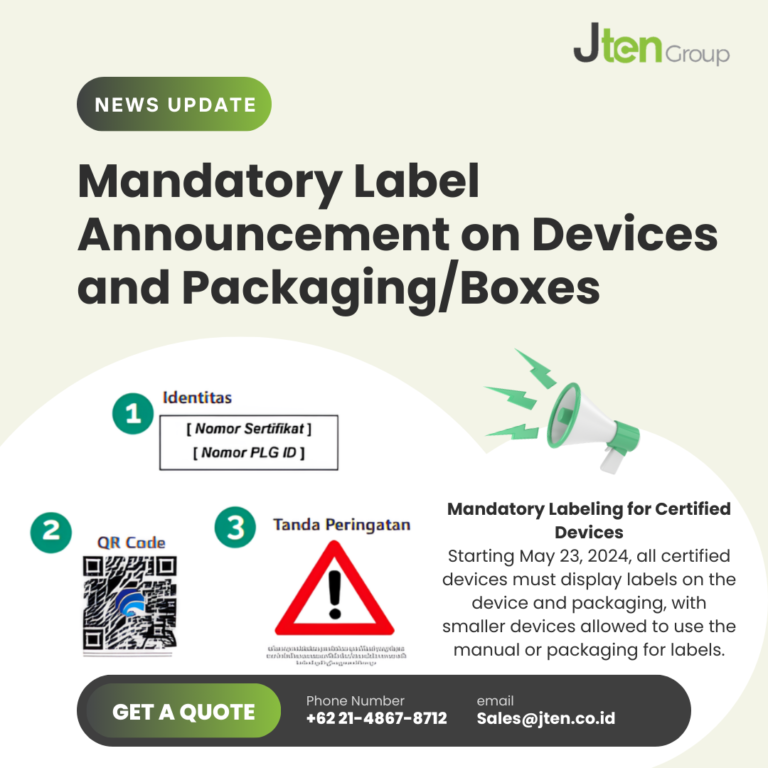
The certificate confirms that the product has met the required Indonesian technical standards. After receiving it, businesses should also follow the applicable rules for product identification and certification labels.
DJID Certification for Importers and Foreign Manufacturers
Foreign manufacturers that plan to sell electronic products in Indonesia should understand the local certification process before shipping their products.
In many cases, they may need an eligible local representative or distributor. The applicable regulations recognize several types of eligible applicants, including businesses that:
-
Hold a registered product brand in Indonesia
-
Have an appointment as a representative or distributor from the brand owner
-
Manufacture or assemble telecommunications equipment for a brand owner
-
Manufacture or assemble telecommunications equipment independently
-
Use telecommunications equipment for their own business purposes
Before appointing a representative, manufacturers should check the applicant’s eligibility. They should also prepare valid authorization documents when required.
This step is important because incomplete authorization documents may cause administrative problems during the application process.
Common Challenges in Obtaining DJID Certification
Some businesses face problems when they prepare their products for certification. However, early preparation can help reduce these issues.
The table below shows common challenges and how businesses can prepare for them.
| Common Challenge | Recommended Preparation |
|---|---|
| Incomplete technical documents | Prepare complete product specifications and supporting documents |
| Incorrect frequency information | Check the product’s operating frequency and wireless technology |
| Unsuitable test reports | Confirm that the test report meets the applicable requirements |
| Brand authorization issues | Check applicant eligibility and prepare valid authorization documents when needed |
| Different product models | Check the brand, model, and country of origin |
| Changes in technical standards | Review the latest applicable regulations before applying |
For example, incomplete documents or incorrect frequency details can affect an application. Therefore, businesses should review their product information before submission.
Another important point is that certification requirements may differ between product types. One certificate or test report may not automatically cover every model or country of origin.
How Much Does DJID Certification Cost?
The cost of DJID certification depends on several factors. These may include:
-
Product category and technical specifications
-
Required testing procedures
-
Testing laboratory fees
-
Applicable government fees
-
Number of product models
-
Additional technical requirements
In addition, the number of models and the required tests can affect the total cost.
There is no single price for every electronic product. For this reason, businesses should identify their product specifications and testing needs before requesting a quotation.
How Long Does the DJID Certification Process Take?
The time needed for DJID certification depends on the product type, document preparation, testing requirements, and application review.
Several factors can affect the timeline:
-
Availability of product samples
-
Completeness of technical documents
-
Testing laboratory schedules
-
Product compliance with technical standards
-
Administrative verification and evaluation
For example, missing documents or unavailable product samples can cause delays. To reduce this risk, manufacturers and importers should prepare their documents and samples before starting the process.
How JTEN Can Help with DJID Certification in Indonesia
Indonesian telecommunications regulations can be difficult to understand, especially for foreign manufacturers, importers, and distributors entering the market for the first time.
JTEN provides product testing and certification support for businesses that need help with electronic and telecommunications product requirements in Indonesia.
Our team can help businesses review product specifications, identify applicable certification requirements, and prepare technical documents.
We also support businesses with wireless products that use technologies such as:
-
Wi-Fi
-
Bluetooth
-
Zigbee
-
Cellular networks
For example, businesses importing Wi-Fi routers, Bluetooth devices, CCTV cameras, or smart home products should check their certification requirements before entering the Indonesian market.
With proper preparation and support, businesses can manage the certification process more effectively. They can also reduce the risk of compliance problems.
Contact JTEN:
-
Website: www.jten.co.id
-
Email: sales@jten.co.id
-
WhatsApp: +62 21-4867-8712
Conclusion
DJID certification is an important requirement for businesses that import, manufacture, or distribute certain telecommunications products in Indonesia.
Products with Wi-Fi, Bluetooth, cellular, or other wireless features may need certification. However, businesses must check each product’s specifications and the technical standards that apply.
By preparing the documents, product samples, and testing requirements early, businesses can reduce delays during the application process.
For businesses that need support, JTEN can help review product specifications and provide testing and certification support for the Indonesian market.