Smart door locks are becoming increasingly popular in Indonesia. Many homeowners, offices, hotels, and commercial buildings use these devices to improve security and manage access more easily.
As smart home technology continues to develop, more businesses are looking to import smart door locks into Indonesia. However, before selling these products, importers must understand the applicable certification and regulatory requirements.
One important requirement to consider is SDPPI Certification for Smart Door Locks. This certification may apply to smart locks that use wireless technologies such as Bluetooth, Wi-Fi, Zigbee, and Radio Frequency (RF).
These technologies allow users to control door locks remotely, connect them to smartphones, and manage access through smart home applications.
Therefore, importers should check the wireless functions and technical specifications of their products before importing them into Indonesia.
In this article, we will explain the SDPPI Certification requirements for smart door locks, including wireless technologies, technical specifications, required documents, and the general certification process.
1. What Is SDPPI Certification?
SDPPI Certification is a commonly used term for telecommunications equipment certification in Indonesia. It confirms that telecommunications equipment meets the applicable technical standards established by the Indonesian government.
The main purpose of this certification is to ensure that wireless devices operate properly and do not cause harmful interference with other radio communication equipment.
Previously, telecommunications equipment certification was handled by the Directorate General of Resources and Equipment of Post and Information Technology (SDPPI).
However, the government has updated its organizational structure. The certification function is now handled under the Directorate General of Digital Infrastructure (DJID), Ministry of Communication and Digital Affairs (Komdigi).
Despite this change, many businesses still use the term SDPPI Certification when discussing wireless product compliance in Indonesia.
2. Do Smart Door Locks Need SDPPI Certification?
In many cases, smart door locks may require SDPPI Certification because they use radio frequency technology to communicate with other devices.
However, the certification requirements depend on the product’s wireless functions and technical specifications.
For example, smart door locks may use several wireless technologies:
-
Bluetooth: Allows users to connect their smartphones directly to the smart lock.
-
Wi-Fi: Enables remote access and control through a mobile application or internet connection.
-
RF (Radio Frequency): Supports wireless communication with remote controls, access cards, or keypads, depending on the product design.
-
Zigbee: Allows smart locks to communicate with compatible smart home systems.
-
Other Wireless Technologies: Some models use additional wireless communication systems depending on their design.
Each wireless function must be reviewed to identify the applicable technical standards and certification requirements.
On the other hand, smart door locks that only use wired connections may have different certification requirements.
For this reason, importers should check the product specifications carefully before deciding which certifications are required.
3. Wireless Technologies Used in Smart Door Locks
Understanding the wireless technology used in a smart door lock is an important step before applying for SDPPI Certification.
Different models may use different communication systems. Therefore, their operating frequencies and technical requirements may also vary.
The following table shows some common wireless technologies used in smart door locks.
| Wireless Technology | Common Frequency | Main Function |
|---|---|---|
| Bluetooth | 2.4 GHz | Smartphone connection |
| Wi-Fi | 2.4 GHz / 5 GHz | Remote access and internet connection |
| Zigbee | Commonly 2.4 GHz | Smart home communication |
| RF Remote Control | Depends on the product | Wireless lock and unlock control |
| NFC | 13.56 MHz | Short-range access using compatible devices or cards |
Importers should confirm the actual operating frequency and technical specifications with the manufacturer.
In addition, some smart door locks combine multiple wireless technologies in one device. For example, a smart lock may support both Bluetooth and Wi-Fi.
In this case, each wireless function should be reviewed during the certification assessment.
4. Technical Specifications Required for Smart Door Lock Certification
Before starting the certification process, importers should collect complete technical information for each smart door lock model.
These details help identify the applicable technical standards and testing requirements.
The following technical information should be prepared:
| Technical Specification | Information to Check |
|---|---|
| Wireless Technology | Bluetooth, Wi-Fi, Zigbee, or RF |
| Frequency Band | 2.4 GHz, 5 GHz, or other supported bands |
| Transmit Power | Radio transmission power |
| Product Model | Model name and number |
| Wireless Module | Manufacturer and module model |
| Antenna | Antenna type and specifications |
| Communication Function | Smartphone, remote control, or smart home connection |
| Power Supply | Battery or external power source |
For example, a smart door lock with Bluetooth and Wi-Fi may require an evaluation of both wireless functions.
Furthermore, importers should make sure that the technical specifications match the information provided in the supporting documents.
Accurate and consistent information can help reduce errors and avoid unnecessary delays during the certification process.
5. Documents Required for SDPPI Certification
Preparing the correct documents is an important part of SDPPI Certification for smart door locks.
Complete documentation can help make the application process more organized. Although the requirements may vary depending on the product and certification route, importers may need to prepare the following documents.
1. Product Specifications
This document contains the technical details of the smart door lock.
It should include the product model, wireless technology, operating frequency, transmit power, and wireless module information.
2. Product Photos
Importers should prepare clear photos of the product from different angles.
The photos should show the front, back, sides, and product label so that the product can be properly identified.
3. User Manual
The user manual explains how to install and operate the smart door lock.
It should also describe the wireless functions, smartphone connections, and other relevant product features.
4. Technical Test Reports
Technical test reports provide information about the product’s compliance with applicable technical standards.
However, overseas test reports are not automatically accepted in Indonesia. Their acceptance depends on the relevant recognition arrangements and current certification requirements.
Therefore, importers should confirm whether their existing test reports can be used before submitting an application.
5. Declaration of Conformity
A Declaration of Conformity states that the product meets the applicable technical requirements.
Applicants should prepare this document according to the format and requirements of the current certification procedure.
6. Applicant and Manufacturer Information
Business and manufacturer information may also be required during the application process.
Before submitting an application, importers should confirm the latest document checklist with the relevant authority or certification service provider.
6. How to Apply for SDPPI Certification for Smart Door Locks
The SDPPI Certification process generally involves several stages. Understanding these steps can help importers prepare their products and documents before shipment.
Step 1: Identify the Wireless Technology
First, check the wireless functions available in the smart door lock.
Determine whether the product uses Bluetooth, Wi-Fi, Zigbee, RF, or another wireless communication technology.
This information helps identify the applicable technical standards and certification requirements.
Step 2: Prepare the Technical Documents
Next, collect the product specifications, user manual, product photos, and other supporting documents.
Make sure that the model number and wireless specifications are consistent across all documents.
Proper document preparation can help prevent unnecessary issues during the application process.
Step 3: Arrange Product Testing
Depending on the applicable requirements, the smart door lock may need to undergo technical testing.
This testing checks whether the product’s wireless functions meet the relevant Indonesian technical standards.
However, testing arrangements may vary depending on the product category, applicable regulations, and accepted testing facilities.
Step 4: Submit the Certification Application
Once the required documents and testing information are ready, the applicant can submit the certification application through the applicable government system.
After submission, the authority will review the application and supporting documents.
Step 5: Complete the Evaluation Process
The authority will evaluate the submitted technical documents and test results.
If the product meets the applicable requirements, the application can proceed to certificate issuance.
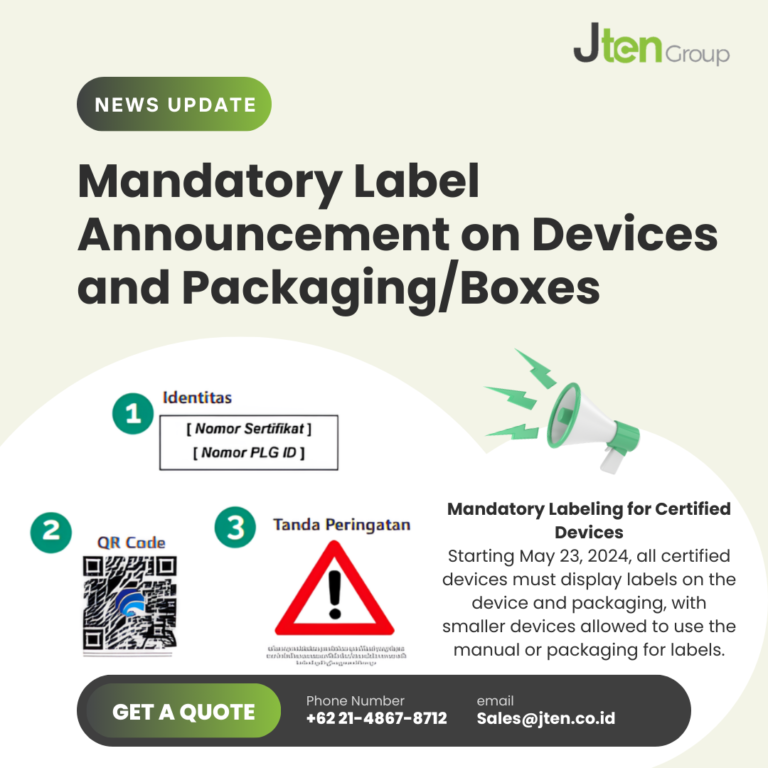
Step 6: Follow the Labeling Requirements
Finally, importers must follow the applicable labeling requirements for certified telecommunications equipment.
Check the latest regulations to ensure that the product label and certification information are correct before distribution.
7. Common Challenges When Importing Smart Door Locks
Importing smart door locks into Indonesia can present several challenges, especially for businesses handling the certification process for the first time.
Below are some common issues that importers may face.
Incomplete Technical Information
Some manufacturers do not provide complete information about wireless modules, operating frequencies, or transmit power.
As a result, importers may have difficulty identifying the applicable technical requirements.
To avoid this problem, businesses should request complete technical specifications from manufacturers before starting the certification process.
Different Wireless Technologies Between Models
Smart door locks may look similar but use different wireless technologies.
For example, one model may support Bluetooth only, while another may include both Bluetooth and Wi-Fi.
Therefore, importers should review each model based on its actual technical specifications instead of assuming that similar products have the same certification requirements.
Overseas Test Report Issues
Not every overseas test report is automatically accepted for Indonesian certification.
For this reason, importers should confirm whether the testing laboratory and test report meet the applicable requirements before starting the application.
Changes in Indonesian Regulations
Telecommunications regulations and technical standards in Indonesia may change over time.
Therefore, businesses should check the latest certification procedures and technical requirements before importing smart door locks.
Preparing the necessary documents and checking the requirements early can help reduce delays and make the import process more organized.
8. Why Is SDPPI Certification Important for Smart Door Lock Importers?
SDPPI Certification plays an important role in ensuring that wireless telecommunications equipment meets the applicable technical requirements in Indonesia.
For importers, completing the required certification process provides several benefits:
-
Regulatory Compliance: Helps businesses meet Indonesian telecommunications requirements.
-
Market Access: Supports the legal marketing and distribution of products that require certification.
-
Technical Compliance: Helps verify that wireless devices meet the relevant technical standards.
-
Reduced Import Risks: Helps businesses identify certification requirements before shipping their products.
-
Business Confidence: Shows that the company takes product compliance seriously.
In addition, understanding the certification requirements early allows importers to prepare their products and documents before entering the Indonesian market.
9. How JTEN Can Help with Smart Door Lock Certification
Understanding Indonesian telecommunications regulations can be challenging, especially for businesses importing smart door locks for the first time.
JTEN provides assistance with product certification and regulatory compliance in Indonesia.
Our team can help businesses review product specifications, identify applicable certification requirements, and prepare the necessary technical documents.
In addition, JTEN assists importers in understanding the certification process for wireless products that use Bluetooth, Wi-Fi, Zigbee, and other radio frequency technologies.
With proper preparation and guidance, businesses can manage the certification process more efficiently and reduce potential compliance issues.
Contact JTEN:
-
Website: www.jten.co.id
-
Email: sales@jten.co.id
-
WhatsApp: +62 21-4867-8712