Wireless cameras are becoming increasingly popular in Indonesia. plications.
As demand continues to grow, more companies want to import wireless cameras into Indonesia. However, businesses must understand the telecommunications regulations before selling these products.
One important requirement is SDPPI Certification for Wireless Cameras. This certification applies to telecommunications equipment that uses radio frequency (RF) technology and must meet the applicable Indonesian technical standards.
For example, many wireless cameras use Wi-Fi, Bluetooth, or cellular networks to transmit data. Therefore, these wireless functions may require certification before the products can be marketed in Indonesia.
This article explains the SDPPI Certification requirements for wireless cameras, the necessary technical documents, and the general certification process for importers.
1. What Is SDPPI Certification?
SDPPI Certification is a commonly used term for telecommunications equipment certification in Indonesia. It confirms that a device meets the applicable technical standards established by the Indonesian government.
The main purpose of this certification is to ensure that telecommunications equipment operates properly. It also helps prevent harmful interference with other radio communication devices.
Previously, this certification process was associated with the Directorate General of Resources and Equipment of Post and Information Technology (SDPPI).
However, the government has updated its regulatory structure. Telecommunications equipment certification is now handled under the Directorate General of Digital Infrastructure (DJID), Ministry of Communication and Digital Affairs (Komdigi).
Therefore, businesses still commonly use the term SDPPI Certification when discussing wireless product requirements in Indonesia.
2. Do Wireless Cameras Need SDPPI Certification?
In many cases, wireless cameras require SDPPI Certification because they use radio frequency technology to transmit data.
However, the exact requirements depend on the product specifications and wireless functions.
Here are some common wireless technologies found in security cameras:
-
Wi-Fi: Connects the camera to a wireless network and allows it to transmit video and other data.
-
Bluetooth: Supports short-range connections for device setup and control.
-
Cellular Networks: Allows cameras to transmit data through mobile networks, such as 4G LTE.
-
Other Wireless Technologies: Some cameras use additional radio technologies depending on their design.
Each wireless function must be reviewed to identify the applicable technical standards.
On the other hand, cameras that only use wired connections may have different certification requirements. Therefore, importers should check the product specifications before deciding which certifications apply.
3. Wireless Camera Specifications for SDPPI Certification
Before applying for SDPPI Certification for wireless cameras, importers should collect the technical information for each product model.
These details help determine which technical standards and testing requirements apply.
The following specifications should be reviewed:
| Technical Specification | Information to Check |
|---|---|
| Wireless Technology | Wi-Fi, Bluetooth, or cellular |
| Frequency Band | 2.4 GHz, 5 GHz, or other supported bands |
| Cellular Technology | 4G LTE or other supported networks |
| Transmit Power | Radio transmission power |
| Product Model | Model name and number |
| Antenna | Antenna type and specifications |
| Wireless Module | Manufacturer and module model |
For example, a wireless camera that supports both Wi-Fi and Bluetooth may need an evaluation of each wireless function.
In addition, importers should make sure that the antenna and wireless module specifications match the information provided in the technical documents.
Accurate technical information can help make the certification process more organized.
4. Documents Required for SDPPI Certification
Preparing the correct documents is an important part of the SDPPI Certification process. Complete documentation can also help reduce unnecessary delays.
Although the requirements may vary depending on the product and certification route, importers may need the following documents.
1. Product Specifications
This document contains the camera’s technical information. It should include the wireless technology, operating frequency, transmit power, and model number.
2. Product Photos
Importers should prepare clear photos of the front, back, sides, and product label. These images help identify the device and confirm its model.
3. User Manual
The user manual explains the camera’s functions, installation instructions, and operating procedures.
It should also provide relevant information about the wireless features.
4. Technical Test Reports
Technical test reports provide evidence of the device’s compliance with applicable technical standards.
However, overseas test reports are not automatically accepted in Indonesia. Their acceptance depends on the relevant recognition arrangements and certification requirements.
5. Declaration of Conformity
A Declaration of Conformity states that the product meets the applicable technical requirements.
Applicants should prepare this document according to the format required by the current certification procedure.
6. Applicant and Manufacturer Information
Business and manufacturer information may also be required during the application process.
Before submitting an application, importers should confirm the latest document checklist with the relevant authority or certification service provider.
5. How to Apply for SDPPI Certification for Wireless Cameras
The SDPPI Certification process generally involves several stages. Understanding these steps can help importers prepare their products before shipment.
Step 1: Identify the Wireless Technology
First, check all wireless functions available in the camera.
Determine whether the device uses Wi-Fi, Bluetooth, cellular communication, or another radio technology.
This information helps identify the technical standards that apply to the product.
Step 2: Prepare the Technical Documents
Next, collect the product specifications, user manual, product photos, and other supporting documents.
Make sure the model number and wireless specifications are consistent across all documents. This step helps prevent confusion during the review process.
Step 3: Arrange Product Testing
Depending on the applicable regulations, the camera may need to undergo technical testing.
The testing process checks whether the product meets the relevant Indonesian technical standards.
However, testing arrangements may vary depending on the product category, applicable regulations, and accepted testing facilities.
Step 4: Submit the Certification Application
Once the required documents and testing information are ready, the applicant can submit the certification application through the applicable government system.
After submission, the authority will review the application and supporting documents.
Step 5: Complete the Evaluation Process
The authority evaluates the submitted documents and test results.
If the product meets all applicable requirements, the application can proceed to certificate issuance.
Step 6: Follow the Labeling Requirements
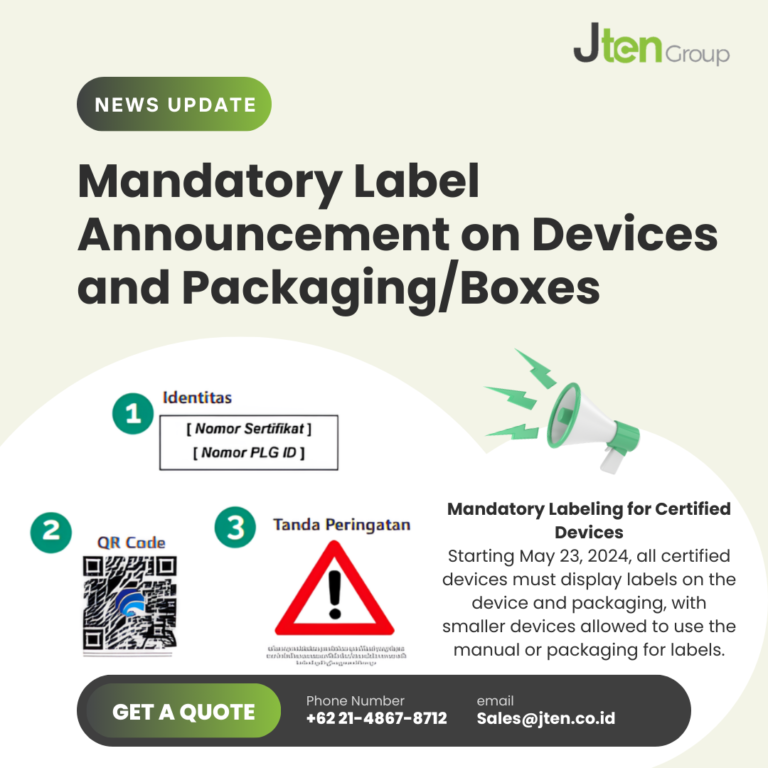
Finally, importers must follow the applicable labeling requirements for certified telecommunications equipment.
Check the latest regulations to ensure that the product label and certification information are correct before distribution.
6. Common Challenges When Importing Wireless Cameras
Importing wireless cameras into Indonesia can be challenging, especially for businesses handling the certification process for the first time.
Several common issues may affect the application process.
Incomplete Technical Information
Some manufacturers do not provide complete information about wireless modules, frequency bands, or transmit power.
As a result, importers may find it difficult to identify the correct technical requirements.
To avoid this problem, businesses should request complete technical specifications from manufacturers before starting the certification process.
Different Specifications Between Models
Wireless cameras may look similar but use different wireless modules or antennas.
Therefore, importers should review each model based on its actual technical specifications.
This step helps ensure that the certification documents match the product being imported.
Overseas Test Report Issues
Not every overseas test report is automatically accepted for Indonesian certification.
For this reason, importers should confirm whether the testing laboratory and report meet the applicable requirements before starting the application.
Changes in Regulations
Indonesian telecommunications regulations may change over time.
Therefore, businesses should regularly check the latest technical standards and certification procedures before importing wireless products.
By preparing the technical documents early, importers can reduce potential delays and manage the certification process more efficiently.
7. Why Is SDPPI Certification Important for Wireless Camera Importers?
SDPPI Certification plays an important role in ensuring that wireless telecommunications equipment meets the applicable technical requirements in Indonesia.
For importers, completing the required certification process provides several benefits:
-
Regulatory Compliance: Helps businesses meet Indonesian telecommunications requirements.
-
Market Access: Supports the legal marketing and distribution of products that require certification.
-
Technical Compliance: Helps verify that wireless equipment meets the relevant technical standards.
-
Reduced Import Risks: Allows businesses to identify certification requirements before shipping their products.
-
Business Confidence: Demonstrates that the company takes product compliance seriously.
In addition, understanding certification requirements early can help businesses plan their imports and avoid unexpected compliance issues.
8. How JTEN Can Help with Wireless Camera Certification
Understanding Indonesian telecommunications regulations can be challenging, especially for companies importing wireless cameras for the first time.
JTEN provides assistance with product certification and regulatory compliance in Indonesia.
Our team can help businesses review product specifications, identify applicable certification requirements, and prepare the necessary technical documents.
In addition, JTEN assists importers in understanding the certification process for wireless products that use Wi-Fi, Bluetooth, and other radio frequency technologies.
With proper preparation and guidance, businesses can manage the certification process more efficiently and reduce potential compliance issues.
Contact JTEN:
-
Website: www.jten.co.id
-
Email: sales@jten.co.id
-
WhatsApp: +62 21-4867-8712