Indonesia is entering a new era of digital transformation, driven by rapid advancements in wireless communication, the Internet of Things (IoT), artificial intelligence (AI), and cloud computing. As consumers increasingly embrace smart technologies, connected electronics are becoming an essential part of everyday life.
From smart home appliances and wearable devices to connected vehicles and industrial automation systems, products are becoming more intelligent, more connected, and more integrated than ever before.
While this technological evolution creates enormous opportunities for manufacturers and importers, it also brings new regulatory challenges. Businesses must not only focus on innovation but also ensure that their products comply with Indonesia’s evolving certification and telecommunications requirements.
Connected Electronics Are Becoming the New Standard
Only a decade ago, internet connectivity was largely limited to smartphones and computers. Today, almost every electronic product has the potential to communicate with other devices.
Examples include:
- Smart televisions
- Wireless speakers
- Smart air conditioners
- Robot vacuum cleaners
- Smart refrigerators
- Wearable health devices
- Wireless keyboards and mice
- Smart lighting systems
- Security cameras
- Smart door locks
- Home automation hubs
Consumers now expect products to be controlled through mobile applications, integrate with virtual assistants, and exchange data in real time.
Connectivity has become a key selling point rather than an optional feature.
The Growth of the Internet of Things (IoT)
Indonesia is expected to see continued growth in IoT adoption across both consumer and industrial sectors.
Smart technologies are increasingly used in:
Smart Homes
Connected lighting, smart appliances, home security systems, and energy management devices improve convenience and efficiency.
Healthcare
Wearable devices and remote patient monitoring systems enable real-time health tracking and data sharing.
Manufacturing
Industrial IoT solutions help businesses improve productivity through predictive maintenance, automation, and equipment monitoring.
Transportation
Connected vehicles, fleet management systems, GPS tracking, and intelligent transportation infrastructure continue to expand.
Agriculture
Smart irrigation, environmental sensors, and connected farming equipment support more efficient agricultural practices.
As IoT adoption grows, so does the number of products requiring regulatory assessment before entering the Indonesian market.
Wireless Technologies Will Continue to Evolve
Future connected electronics will rely on increasingly advanced communication technologies.
These include:
- Bluetooth Low Energy (BLE)
- Wi-Fi 6 and Wi-Fi 7
- 5G connectivity
- Ultra-Wideband (UWB)
- Thread
- Zigbee
- Matter smart home protocol
- Satellite connectivity
- Low-power wide-area networks (LPWAN)
These technologies will enable faster communication, lower power consumption, improved security, and better interoperability between devices.
At the same time, they introduce new technical and regulatory considerations for manufacturers.
Artificial Intelligence Is Driving Smarter Devices
Artificial Intelligence is becoming an integral part of connected electronics.
Modern devices can now:
- Learn user preferences
- Automate routine tasks
- Optimize energy consumption
- Recognize voice commands
- Detect unusual activity
- Provide predictive maintenance
- Analyze usage patterns
Examples include AI-powered security cameras, intelligent household appliances, smart speakers, and health monitoring wearables.
As AI capabilities continue to expand, connected products will become even more sophisticated.
Compliance Will Become More Important Than Ever
As products become smarter and more connected, regulatory compliance will play an increasingly significant role.
Manufacturers and importers must consider whether products require approvals related to:
Postel (DJID) Certification
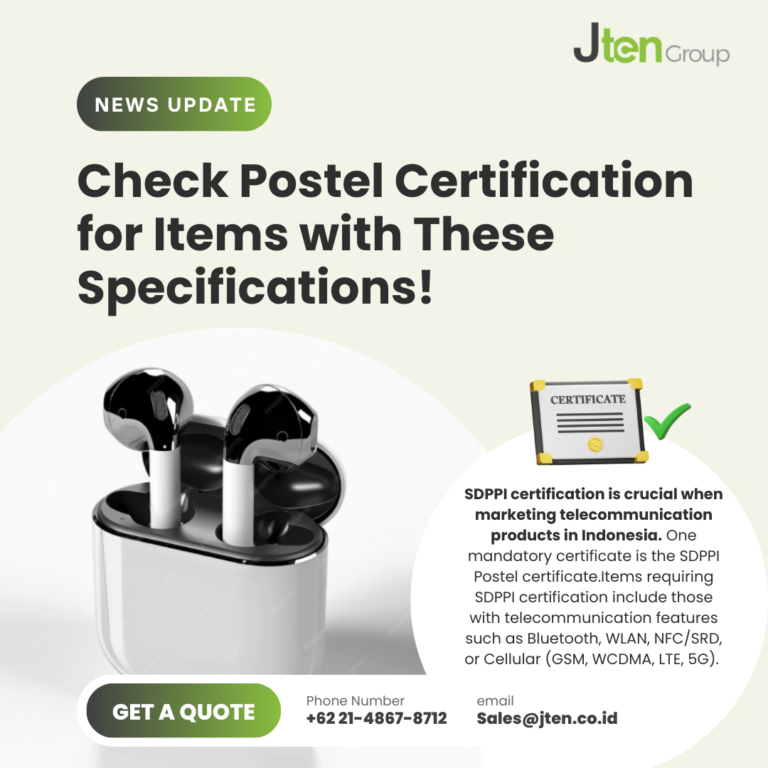
Products using Bluetooth, Wi-Fi, NFC, cellular communication, or other radio frequency technologies generally require telecommunications certification before entering the Indonesian market.
SNI Certification
Many consumer and electrical products are subject to Indonesia’s National Standard (SNI) requirements to ensure product safety and quality.
K3L Compliance
Some products must also comply with regulations concerning safety, health, environmental protection, and labeling.
TKDN Requirements
Certain industries and procurement activities require products to satisfy Domestic Component Level (TKDN) regulations.
As technologies evolve, these regulatory frameworks are expected to continue adapting.
Consumer Expectations Are Also Changing
Today’s consumers no longer purchase products based solely on price or appearance.
They increasingly expect products to be:
- Smart
- Secure
- Energy efficient
- Easy to update
- Reliable
- Compatible with other devices
- Safe to use
- Environmentally responsible
Meeting these expectations requires manufacturers to combine innovation with regulatory compliance.
Opportunities for Manufacturers and Importers
Indonesia’s growing digital economy presents significant opportunities for businesses introducing connected electronics.
Companies that invest in compliance from the beginning can benefit from:
- Faster product launches
- Reduced certification delays
- Improved customer confidence
- Stronger relationships with distributors
- Greater competitiveness
- Better long-term market positioning
Rather than treating certification as an obstacle, businesses should view it as an investment in sustainable growth.
Preparing for the Future
The future of connected electronics will continue to be shaped by innovation, but successful products will also depend on regulatory readiness.
Businesses should:
- Assess compliance requirements during product development
- Review wireless technologies carefully
- Prepare technical documentation early
- Coordinate laboratory testing in advance
- Monitor regulatory updates
- Work with experienced compliance specialists
Early planning helps reduce risk while improving time-to-market.
How JTen Can Help
JTen (Jelajah Teknologi Nusa) supports manufacturers, importers, and technology companies in bringing connected products to the Indonesian market.
Our services include:
- Product compliance assessments
- Postel (DJID) certification assistance
- SNI certification support
- TKDN consultation
- K3L compliance guidance
- Laboratory testing coordination
- RF and EMC testing support
- Technical documentation review
- End-to-end certification management
Whether you are launching a smart home product, wearable device, IoT solution, or next-generation wireless technology, JTen helps ensure your products are prepared for Indonesia’s regulatory landscape.
Conclusion
The future of connected electronics in Indonesia is filled with opportunity. As IoT, artificial intelligence, and advanced wireless technologies become increasingly integrated into everyday products, businesses have unprecedented opportunities to innovate and grow.
However, innovation alone is not enough. Manufacturers and importers must also understand the evolving regulatory requirements that accompany connected technologies. By integrating compliance into product development and preparing early for certifications such as Postel (DJID), SNI, TKDN, and K3L, businesses can accelerate market entry while building trust with consumers and business partners.
With the right compliance strategy and support from JTen, your connected products can be ready not only for the future of technology but also for the future of Indonesia’s regulatory landscape.
Hashtag
#ConnectedElectronics
#SmartDevices
#IoT
#Postel
#DJID
#WirelessTechnology
#SNI
#TKDN
#ProductCompliance
#JTen