
SAR Testing in Indonesia: Health Standards, Regulatory Requirements, and Certification Strategy
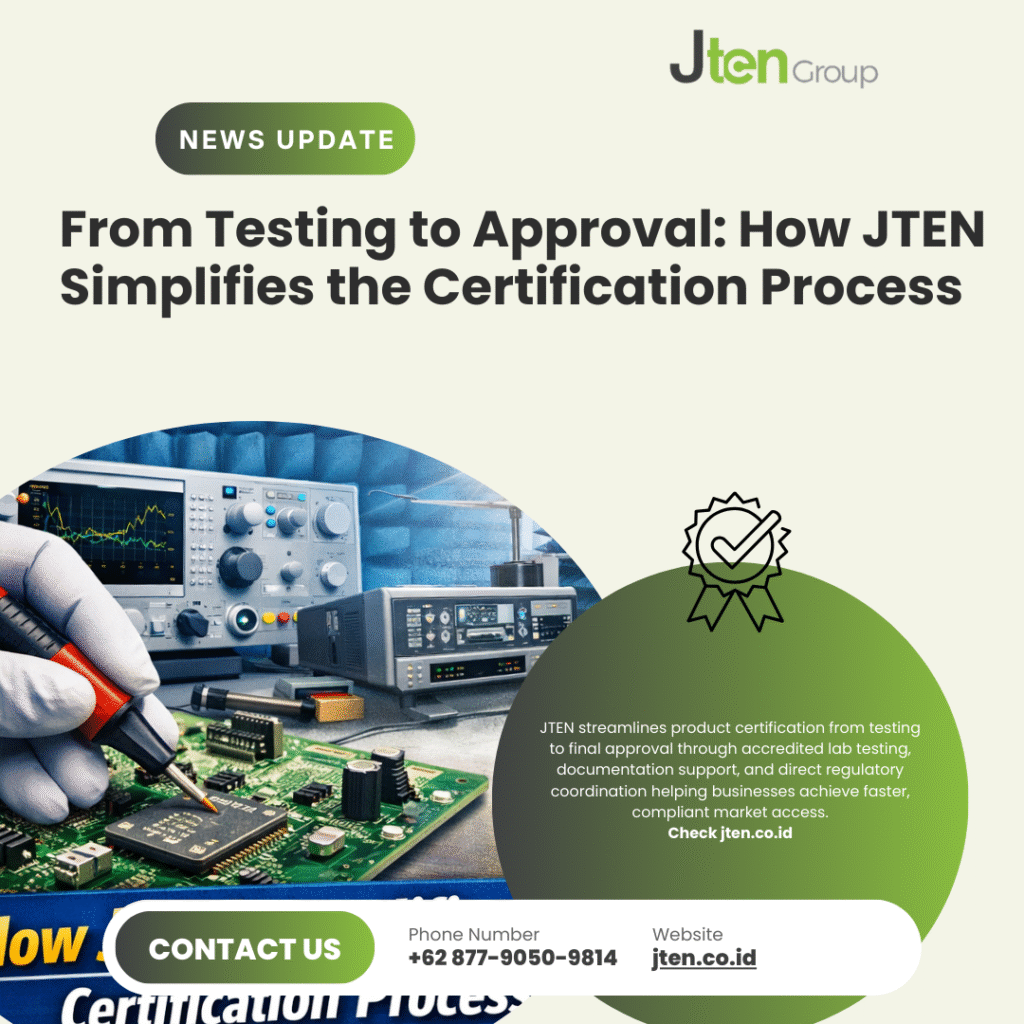
What is SAR (Specific Absorption Rate)? Specific Absorption Rate (SAR) measures the rate at which the human body absorbs radio frequency (RF) energy emitted by telecommunication devices. SAR values indicate how much RF energy is absorbed by body tissue during device usage. The purpose of SAR testing is to ensure that devices: Without compliant SAR results, devices cannot obtain distribution approval in Indonesia. SAR Regulations in Indonesia In Indonesia, SAR testing requirements fall under the authority of the Direktorat Jenderal Infrastruktur Digital (DJID), formerly known as SDPPI under the Kementerian Komunikasi dan Informatika Republik Indonesia. Key regulatory points include: Given the evolving regulatory landscape, many global manufacturers collaborate with JTen to ensure technical documentation and device configurations align with the latest DJID requirements. Why SAR Testing is Increasingly Important in the 5G Era 5G technology introduces higher speeds, lower latency, and more complex antenna configurations. With expanded spectrum usage and advanced RF transmission systems, exposure assessment becomes even more critical. The rise of: has significantly increased the relevance of SAR evaluation. JTen’s technical team continuously monitors global compliance standards and Indonesian regulatory updates to help clients optimize product design before formal laboratory testing begins. SAR Testing Process: From Laboratory to Certification The general SAR testing workflow includes: 1. Pre-Compliance Evaluation Initial review of RF design and antenna configuration. 2. Accredited Laboratory Testing Devices are tested using standardized phantom models simulating the human head and body. 3. Multi-Scenario RF Exposure Measurement Testing under various operational conditions, including head and body-worn usage. 4. Official SAR Report Issuance The test report becomes part of the certification application dossier. 5. Submission to DJID Complete documentation is submitted for regulatory approval. With professional guidance such as that provided by JTen, the risk of test failure can be significantly reduced through early-stage technical analysis and compliance review. Common Challenges for Manufacturers and Importers Some of the most frequent challenges include: Without strategic planning, failed testing can significantly impact product launch timelines. Strategies to Accelerate SAR Certification Approval To minimize delays and ensure smoother certification, consider the following: ✔ Conduct pre-testing before mass production✔ Validate antenna design during R&D phase✔ Optimize RF output configuration✔ Ensure complete technical documentation✔ Work with experienced certification consultants such as JTen A proactive compliance strategy can substantially reduce cost, risk, and market entry delays. The Future of SAR and Device Safety SAR testing will become increasingly relevant as emerging technologies expand, including: Indonesia is expected to continue updating its regulatory framework in parallel with global technological advancements and national digital infrastructure transformation. As a regulatory compliance partner, JTen remains committed to supporting global manufacturers in navigating technical updates and administrative requirements efficiently. Conclusion SAR testing is more than a regulatory obligation it reflects the industry’s responsibility to safeguard public health. With proper regulatory understanding, early-stage technical planning, and professional support from JTen, manufacturers can streamline certification processes while ensuring full compliance. Because the best technology is not only powerful it is also safe and compliant. Frequently Asked Questions (FAQ) Is SAR testing mandatory for all devices?No. It applies primarily to RF devices used close to the human body. Can foreign SAR reports be used in Indonesia?It depends on standard alignment and laboratory recognition. Additional verification may be required.How can certification timelines be shortened?Early compliance evaluation and collaboration with experienced certification consultants can significantly accelerate the process.