Importing electronic products into Indonesia requires careful preparation. Businesses must arrange shipping documents, follow customs regulations, and understand the certification requirements before selling their products in the local market.
Indonesia product certification ensures that imported goods meet the applicable safety, quality, and technical standards. Depending on the product type, importers may need to obtain DJID or SNI certification, complete K3L registration, or comply with TKDN requirements.
However, each certification serves a different purpose. Not every electronic product requires all four. Therefore, importers should identify the applicable regulations before shipping their goods to Indonesia.
1. Understanding Indonesia Product Certification Requirements
Indonesia has several product regulations that businesses must follow when importing and selling goods in the local market. These regulations help protect consumers while ensuring that products meet the required standards.
For electronic and telecommunications products, importers should understand four important requirements:
-
DJID Certification: Applies to telecommunications devices that must meet Indonesian technical standards.
-
SNI Certification: Applies to products included in the mandatory Indonesian National Standard list.
-
K3L Registration: Covers certain products related to safety, health, and environmental protection.
-
TKDN Requirements: Measure the domestic content used in certain products and business activities.
Although these requirements are all related to product compliance, each has a different focus. For instance, DJID focuses on telecommunications standards, while SNI covers specific national product standards.
As a result, businesses should review the applicable regulations based on their product categories and technical specifications before starting the import process.
2. DJID Certification for Telecommunications Products
DJID certification is an important requirement for businesses importing certain wireless and telecommunications devices into Indonesia.
This certification process ensures that applicable devices meet the technical standards established by the Indonesian government.
Some products that may fall under DJID certification requirements include:
-
Wi-Fi routers and modems
-
Bluetooth speakers and headphones
-
Wireless security cameras
-
Wireless access points
-
Smartwatches with wireless features
-
Smart home devices using Wi-Fi or Bluetooth
However, not every electronic product requires DJID certification. The requirement depends on the device’s technical specifications, communication functions, and applicable regulations.
Before submitting an application, importers should prepare the necessary technical documents. These may include:
-
Product technical specifications
-
Brand and model information
-
Product photographs
-
Test reports, when required
-
Declaration of conformity
-
Other supporting documents
In addition, businesses should ensure that all product information is accurate and consistent with the actual device. This can help prevent errors during the application process.
Applicants must also follow the applicable certification procedures through the relevant government service system, including the provisions under Minister of Communication and Informatics Regulation No. 3 of 2024.
3. SNI Certification for Imported Products
SNI stands for Standar Nasional Indonesia, which means Indonesian National Standard.
This standard establishes requirements to help ensure product quality, safety, and compliance with Indonesian regulations. Certain imported products must obtain SNI certification before they can be distributed or sold in the local market.
However, the requirement depends on the product category and the applicable government regulations.
Some product categories that may be subject to mandatory SNI requirements include:
-
Electrical equipment
-
Household products
-
Construction materials
-
Certain industrial goods
-
Other products covered by mandatory standards
It is important to understand that not all imported electronic products require SNI certification.
Therefore, importers should first check whether their products are included in the mandatory SNI list. They should also identify the required testing procedures and certification steps.
By reviewing these requirements early, businesses can prepare their products and documents before shipping them to Indonesia.
4. K3L Registration for Electronic Products
K3L stands for Keamanan, Keselamatan, Kesehatan, dan Lingkungan Hidup. It refers to product requirements related to security, safety, health, and environmental protection.
In Indonesia, the Ministry of Trade manages K3L registration for certain products distributed in the local market.
Under Minister of Trade Regulation No. 33 of 2025, the regulation covers 42 product categories. These consist of 20 categories involving hazardous chemicals and 22 categories of electrical and electronic goods.
For this reason, importers should check whether their products are included in the regulated categories before starting the registration process.
Depending on the applicable requirements, businesses may need to prepare the following documents:
-
Product details and technical specifications
-
Brand and product type information
-
Product photographs
-
Self-declaration of conformity
-
Laboratory test reports, when required
-
Importer or producer information
Furthermore, businesses should review the latest product list and registration procedures before submitting an application. This helps them identify the correct requirements and prepare the necessary documents.
5. Understanding TKDN Requirements
TKDN stands for Tingkat Komponen Dalam Negeri, or Domestic Component Level.
It measures the percentage of domestic components used in certain products or services. The government applies TKDN policies to encourage the use of local materials, components, and production activities.
As a result, some electronic and telecommunications products may be subject to specific TKDN requirements.
For example, certain products supplied for government projects may need to meet particular domestic content targets.
However, TKDN is different from DJID, SNI, and K3L because each requirement serves a separate purpose:
-
DJID: Covers applicable telecommunications technical standards.
-
SNI: Covers Indonesian national product standards.
-
K3L: Covers specific product safety, health, and environmental requirements.
-
TKDN: Measures the use of domestic components in products or services.
Therefore, importers should not assume that every imported product requires TKDN certification. Instead, they should review the regulations that apply to their products, projects, and business activities.
6. Documents Needed for Indonesia Product Certification
Preparing the correct documents is an essential part of the product certification process.
Although each certification has its own requirements, importers should prepare basic product information before submitting an application.
The following documents are commonly needed, depending on the certification type:
| Document | Purpose |
|---|---|
| Product specifications | Describe the product’s features and functions |
| Brand and model details | Identify the product accurately |
| Product photographs | Show the product’s design and physical details |
| Test reports | Provide test results, when required |
| Declaration of conformity | Confirm compliance with stated requirements |
| Company documents | Identify the importer or applicant |
However, the required documents may differ depending on the product category and certification process.
For this reason, importers should confirm the document requirements before applying. They should also ensure that the brand, model number, and technical specifications are consistent across all submitted documents.
7. How to Check Indonesia Product Certification Requirements Before Importing
Before shipping products to Indonesia, businesses should identify the regulations that apply to their goods. Checking these requirements in advance can help reduce delays and prevent unnecessary costs.
The following steps can help importers prepare for the certification process.
Step 1: Identify the Product Category
First, identify the product’s name, brand, model, and main function.
For wireless devices, check whether the product uses Wi-Fi, Bluetooth, cellular networks, or other radio frequency technologies.
This information helps businesses determine which certification requirements may apply.
Step 2: Check the HS Code
The Harmonized System (HS) Code is used to classify goods in international trade.
Importers can use the HS Code to identify product classifications and review applicable import regulations through Indonesian customs and trade systems.
However, the HS Code alone may not identify every certification requirement. Businesses should also consider the product’s technical specifications, functions, and intended use.
Step 3: Identify the Required Certification
Next, determine whether the product requires DJID, SNI, or K3L certification or registration.
In some cases, a product may be subject to more than one requirement. Therefore, businesses should review each relevant regulation before proceeding with the import process.
Step 4: Prepare the Required Documents
Once the applicable requirements have been identified, collect all necessary documents.
These may include product specifications, photographs, test reports, and company information.
Before submission, make sure that all details match the actual product and the manufacturer’s documents.
Step 5: Complete the Certification Process
After preparing the documents, submit the application through the relevant government service system.
If laboratory testing is required, arrange the necessary tests as part of the certification process.
In addition, monitor the application status and provide further information if requested by the relevant authorities.
Step 6: Check Compliance Before Distribution
Finally, confirm that the product has obtained all required certificates and registrations before selling or distributing it in Indonesia.
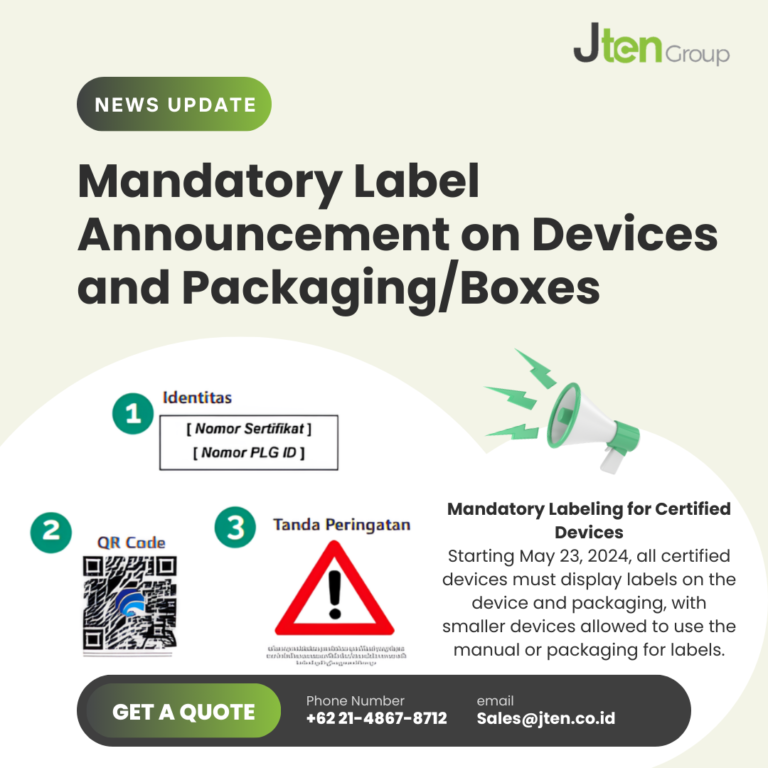
Businesses should also review product labels and other applicable information to ensure compliance with local requirements.
Completing this final check can help prevent regulatory problems during product distribution.
8. Common Indonesia Product Certification Mistakes Importers Should Avoid
Many businesses experience delays because they do not review certification requirements early enough.
To make the process smoother, importers should avoid the following common mistakes:
-
Ignoring Certification Rules: Shipping products without checking whether certification is required can lead to compliance problems.
-
Submitting Incomplete Documents: Missing product specifications or test reports may delay the application process.
-
Providing Incorrect Product Details: Inconsistent brand names or model numbers can cause problems during document verification.
-
Assuming All Products Have the Same Requirements: Wireless devices, household electronics, and industrial products may follow different regulations.
-
Checking Requirements Too Late: Waiting until goods arrive in Indonesia may result in additional costs and delays.
To avoid these issues, businesses should review the applicable regulations before shipping their products. Preparing the required documents in advance can also help make the certification process more efficient.
9. How JTEN Can Help with Indonesia Product Certification
Understanding product certification requirements in Indonesia can be challenging, especially for businesses importing electronic products for the first time. Depending on the product type and technical specifications, importers may need to comply with several regulations, including DJID, SNI, K3L, and TKDN requirements.
JTEN provides assistance to businesses that need support with product certification and regulatory compliance in Indonesia.
Our team can help review product specifications and identify the certification requirements that may apply to each device. We also assist businesses in preparing the technical documents needed for the certification process.
Different electronic products may have different compliance requirements. For example, wireless devices such as Wi-Fi routers, Bluetooth speakers, smart door locks, and wireless cameras may require telecommunications equipment certification. Other products may need to meet specific safety, quality, or environmental standards.
Furthermore, JTEN helps businesses understand the relevant certification procedures and technical requirements. With proper preparation, importers can manage the process more efficiently and reduce the risk of compliance issues.
By working with an experienced certification service provider, businesses can better understand the applicable regulations before importing and distributing their products in Indonesia.
Contact JTEN for Indonesia Product Certification Assistance
Planning to import or distribute electronic products in Indonesia? JTEN can help your business identify the applicable certification requirements and prepare the necessary technical documents.
Contact our team for further information:
-
Website: www.jten.co.id
-
Email: sales@jten.co.id
-
WhatsApp: +62 21-4867-8712
Conclusion
Understanding product certification requirements in Indonesia is essential for businesses importing electronic and telecommunications products.
DJID, SNI, K3L, and TKDN each serve a different purpose. The applicable requirements depend on the product category, technical specifications, and relevant government regulations.
Therefore, importers should review their product specifications, HS Codes, and certification requirements before shipping their goods. Preparing the necessary documents early can also help prevent delays during the application process.
With proper planning and an understanding of local regulations, businesses can manage product certification more effectively and prepare their goods for distribution in the Indonesian market.