Import Electronic Products to Indonesia: Requirements and Certifications
Indonesia is a growing market for electronic products. Many people use smartphones, wireless speakers, smartwatches, cameras, and home appliances in their daily lives.
However, importing electronic products to Indonesia requires careful preparation. Foreign manufacturers and importers must understand local regulations before introducing their products to the market.
These requirements may include import permits, SDPPI certification, SNI certification, K3L registration, and technical documents. Therefore, businesses should identify the necessary requirements before shipping their products.
In this guide, we explain how to import electronic products to Indonesia and prepare the documents and certifications needed to enter the market.
1. Understand the Indonesian Electronic Market
Before importing electronic products, businesses should learn about the Indonesian market.
First, identify the products you want to sell. Then, consider their functions, features, and target customers.
Some popular electronic products in Indonesia include:
-
Smartphones and tablets
-
Bluetooth speakers and headphones
-
Wi-Fi routers and wireless cameras
-
Smartwatches and fitness trackers
-
Smart home devices
-
Household electrical appliances
However, each product may have different requirements. These depend on its category, functions, and technical specifications.
For this reason, importers should review the applicable regulations before starting the import process.
2. Check the Import Requirements for Electronic Products in Indonesia
After selecting your products, the next step is to understand the import regulations.
In Indonesia, import requirements depend on the product category and its HS Code (Harmonized System Code).
An HS Code is a number used to classify imported goods. It helps determine customs duties, taxes, and import restrictions.
Before shipping electronic products to Indonesia, businesses should check the following:
-
The correct HS Code
-
Applicable import restrictions
-
Required import permits
-
Customs duties and taxes
-
Necessary import documents
For example, Indonesia regulates the import of electronic and telematics goods under Minister of Trade Regulation No. 21 of 2025.
Checking these requirements in advance can help businesses prepare the necessary documents and avoid problems during customs clearance.
3. Identify the Required Certifications for Electronic Products
Product certification is an important requirement for certain electronic products in Indonesia.
However, not all products require the same certification. The applicable requirements depend on the product category, technical features, and relevant regulations.
Here are three important certification and registration requirements that importers should understand.
SDPPI Certification for Imported Wireless Products
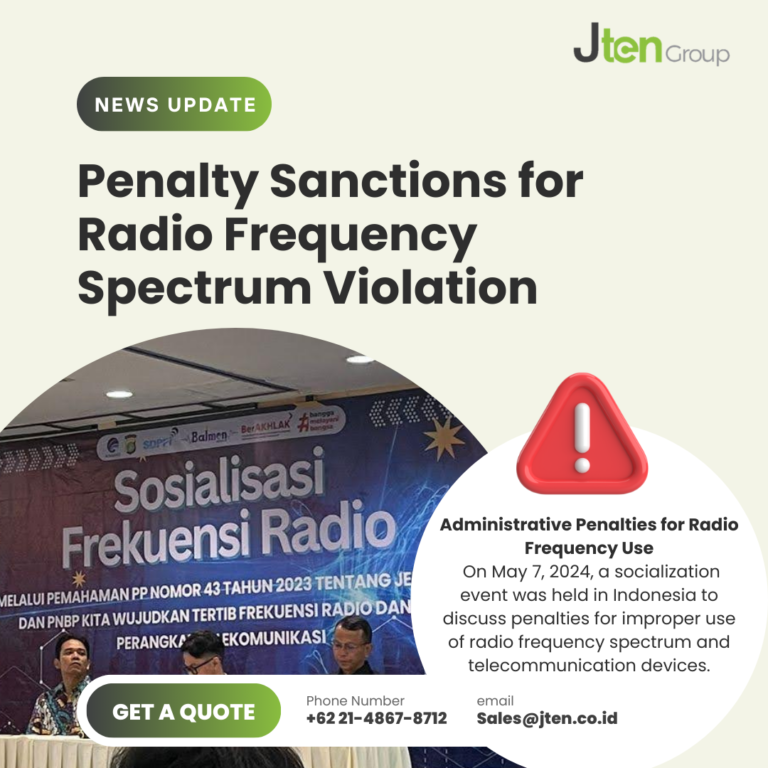
Wireless products that use radio frequency or telecommunications technology may require SDPPI certification.
Common examples include:
-
Bluetooth headphones and speakers
-
Wi-Fi routers
-
Wireless cameras
-
Smartwatches with wireless functions
-
Wireless keyboards and mice
-
Smart home devices
SDPPI certification helps ensure that telecommunications equipment meets the applicable technical standards in Indonesia.
The certification process is regulated under Minister of Communication and Informatics Regulation No. 3 of 2024.
Therefore, manufacturers and importers should check the applicable SDPPI requirements before bringing wireless products into Indonesia.
SNI Certification for Electronic Products in Indonesia
SNI stands for Indonesian National Standard (Standar Nasional Indonesia).
Certain electronic products must meet SNI requirements before they can be sold in Indonesia. However, mandatory SNI certification does not apply to every electronic product.
Importers should check whether their products are included in the list of goods subject to mandatory SNI requirements.
If SNI certification is required, businesses must ensure that their products meet the applicable standards.
K3L Registration for Imported Electronic Products
K3L refers to safety, security, health, and environmental protection requirements.
Certain products must meet K3L requirements before they can be distributed in Indonesia.
These requirements apply to specific product categories listed in the relevant Ministry of Trade regulations.
Therefore, importers should check whether their products fall under the applicable K3L requirements before starting the import process.
4. Prepare the Technical Documents for Product Certification
After identifying the applicable certifications, businesses should prepare the necessary technical documents.
Complete and accurate documents make the review process easier. They also help reduce the risk of delays during certification.
Depending on the product type, the required documents may include:
-
Product specifications
-
Technical datasheets
-
User manuals
-
Product photos
-
Brand and model information
-
Manufacturer details
-
Test reports, if required
-
Authorization letters, if applicable
For wireless products, additional technical information may also be necessary.
This information may include:
-
Operating frequency
-
RF output power
-
Wireless technology
-
Antenna specifications
-
Supported frequency bands
Make sure all documents contain consistent product information. For example, the brand name and model number should match across all documents.
Incorrect or inconsistent information may slow down the certification process.
5. Prepare Indonesian Labels and Manuals for Electronic Products
Clear product information helps Indonesian consumers understand how to use electronic products safely and correctly.
For this reason, businesses should check the local requirements for product labels, user manuals, and warranty documents.
Under applicable regulations, certain electronic and telematics products must include a user manual and an after-sales warranty card in Bahasa Indonesia.
Depending on the product category, businesses may need to prepare:
-
A user manual in Bahasa Indonesia
-
An after-sales warranty card in Bahasa Indonesia
-
Clear product information
-
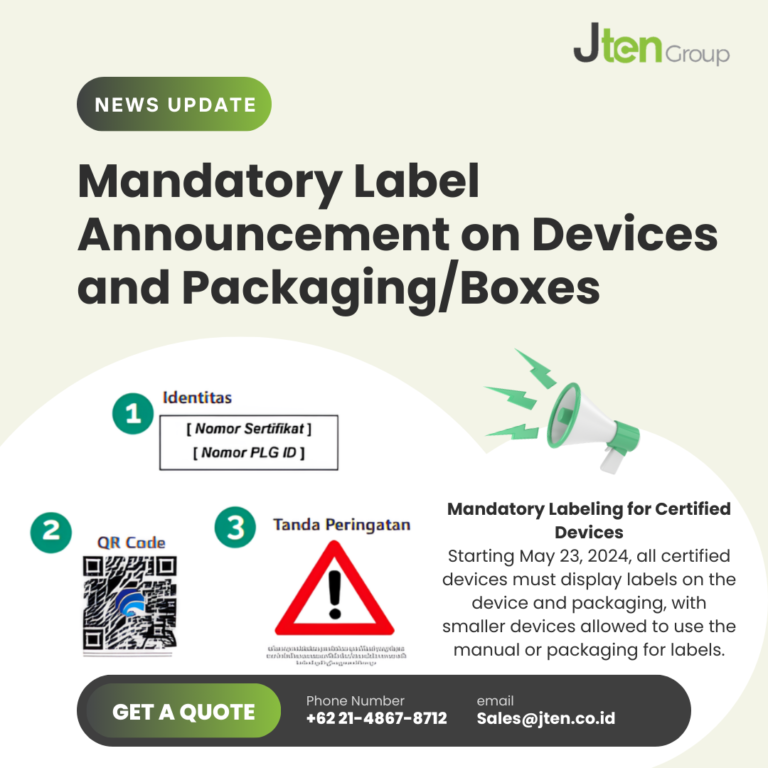
Required certification labels or registration numbers
The exact requirements depend on the product type and applicable regulations.
It is best to prepare these materials before importing the products. This can help reduce additional work after the goods arrive in Indonesia.
6. Check the Testing Requirements for Electronic Products
Some electronic products must pass testing before they can receive certification.
Product testing helps confirm that equipment meets the required technical standards.
For wireless products, testing may cover:
-
Radio frequency performance
-
RF output power
-
Frequency stability
-
Electromagnetic compatibility, when required
-
Other technical tests based on the product type
However, testing requirements vary depending on the product and applicable technical standards.
Before sending product samples to a testing laboratory, businesses should confirm which tests are necessary.
Proper preparation can help reduce repeated testing, additional costs, and unnecessary delays.
7. Review All Import and Certification Requirements
Before shipping electronic products to Indonesia, businesses should review all applicable requirements.
Use the following checklist to make sure everything is ready:
-
Confirm the product category and HS Code.
-
Check the applicable import regulations.
-
Identify whether SDPPI, SNI, or K3L requirements apply.
-
Prepare the necessary technical documents.
-
Check whether product testing is required.
-
Prepare Indonesian manuals and warranty documents, when necessary.
-
Review product labels and certification information.
-
Make sure all product details are consistent across the documents.
By completing these steps before shipment, importers can reduce potential problems during customs clearance and product distribution.
8. Get Professional Support for Electronic Product Certification in Indonesia
Understanding Indonesian regulations can be challenging, especially for foreign manufacturers and first-time importers.
Each product may have different certification and documentation requirements. Therefore, working with an experienced certification partner can make the process easier.
JTEN provides product certification and regulatory compliance services in Indonesia.
Our team can assist businesses with:
-
Identifying the required product certifications
-
Reviewing product specifications and technical documents
-
Preparing documents for the certification process
-
Understanding product testing requirements
-
Providing assistance throughout the certification process
With professional support, businesses can better understand local regulations and prepare their products before entering the Indonesian market.
How JTEN Helps with Electronic Product Certification in Indonesia
Preparing electronic products for the Indonesian market requires a good understanding of local regulations.
JTEN helps foreign manufacturers and importers identify the requirements before introducing their products to Indonesia.
Our team can review product specifications, identify applicable certifications, and assist with preparing the necessary technical documents.
In addition, we help businesses understand SDPPI, SNI, and K3L requirements based on their product categories and applicable regulations.
Contact JTEN:
-
Website: https://jten.co.id/
-
Email: sales@jten.co.id
-
WhatsApp: +62 21-4867-8712