is an important requirement to check before shipping telecommunications and wireless products to Indonesia. Manufacturers, suppliers, and importers should understand the certification rules. This helps prevent compliance issues and shipping delays.
SDPPI approval is a common term for telecommunications equipment certification in Indonesia. This process helps ensure that devices meet the required technical standards before they enter the market.
For example, wireless routers, Bluetooth speakers, smart devices, and radio communication equipment may need certification. However, the requirements depend on each product’s technical features and functions.
In this guide, vendors will learn what SDPPI approval means and which products may need certification. In addition, they will discover the required documents and the main steps in the approval process. This information can help businesses prepare before importing wireless electronics into Indonesia.
What Is SDPPI Approval in Indonesia?
SDPPI approval refers to telecommunications equipment certification in Indonesia. SDPPI stands for Direktorat Jenderal Sumber Daya dan Perangkat Pos dan Informatika. This name was historically linked to Indonesia’s telecommunications and radio spectrum authority.
However, the government’s organizational structure and authority names may change over time. Therefore, vendors should check the latest information on the official government portal. This helps them identify the correct authority and current certification procedures.
SDPPI-related certification mainly applies to equipment with radio frequency or telecommunications functions. Depending on the product type and applicable regulations, certification may be required before a device can enter the Indonesian market.
For the latest information, vendors should visit the official Indonesian telecommunications equipment certification portal and review the applicable requirements.
Which Wireless Electronics May Require SDPPI Approval?
Not all electronic products have the same certification requirements. Instead, the requirements depend on the device’s functions, wireless technology, and product classification.
Below are some common product categories that vendors should review.
1. Wireless Routers and Network Devices
Wireless routers, Wi-Fi access points, and other network devices send and receive radio signals. Therefore, vendors should check their frequency bands and technical specifications.
They should also review the intended use of each device. These details help determine which certification requirements apply.
2. Bluetooth Devices
Bluetooth speakers, wireless headphones, keyboards, and other Bluetooth products may fall under telecommunications equipment regulations.
However, not every Bluetooth device follows the same certification process. Vendors should review each product’s technical details and confirm the applicable rules.
3. Smart Home Products
Smart plugs, smart cameras, connected sensors, and other smart home devices often use wireless technology. For example, they may connect through Wi-Fi or Bluetooth.
Some products also support multiple wireless functions. In this case, vendors should provide complete technical specifications. As a result, the applicable certification requirements can be identified more accurately.
4. Radio Communication Equipment
Radio transmitters, receivers, and other communication devices may need to meet specific technical standards.
For this reason, vendors should check the permitted frequency bands and technical requirements before shipping these products to Indonesia.
5. Wireless Accessories and IoT Devices
Internet of Things (IoT) products and wireless accessories may also require certification assessment.
However, their requirements can vary based on communication functions and product classification. Therefore, vendors should review each model before importing it.
Important: This list provides a starting point, not a complete list of products that require certification. Always confirm the requirements for each product model through the official regulatory channel.
Why Is SDPPI Approval Important Before Importing Wireless Electronics?
Checking SDPPI approval requirements early can help vendors prepare for the Indonesian market. It also helps businesses manage compliance risks before shipping their products.
1. Supporting Regulatory Compliance
Products covered by mandatory certification rules must meet the applicable requirements. Therefore, checking the regulations before shipping helps vendors understand their responsibilities.
2. Reducing Potential Delays
Incomplete documents, unsuitable test reports, or incorrect product information may lead to additional requests during the certification process.
However, vendors can reduce these risks by preparing the required information in advance. This can also make the application process more efficient.
3. Improving Supplier Coordination
Importers often depend on overseas manufacturers for technical specifications, test reports, product photos, and other supporting documents.
By identifying these needs early, vendors can give suppliers enough time to prepare accurate information. As a result, both parties can avoid unnecessary communication delays.
4. Planning Import Costs and Timelines
Testing, documentation, certification, and other compliance activities may affect the import budget and delivery schedule.
Therefore, vendors should consider these factors before confirming delivery dates. This approach also helps businesses set more realistic expectations with customers.
Documents Needed for SDPPI Approval
The required documents depend on the product type, certification route, and current regulations. For this reason, vendors should check the latest document checklist before submitting an application.
Commonly requested documents and information may include:
-
Product details: Product name, brand, model number, and description.
-
Technical specifications: Wireless technologies, operating frequencies, supported standards, and other technical details.
-
Manufacturer information: Manufacturer’s name, address, and product origin.
-
Product photographs: Clear images showing the device and its model.
-
User manual: Product instructions and relevant technical information.
-
Test reports: Reports required under the applicable certification procedure.
-
Applicant documents: Company details and application information required by the relevant authority.
-
Supporting authorization documents: Additional documents, if required for the application.
Before submitting the documents, vendors should check that all product details match. For example, the model number must be consistent across the test report, product label, and application form.
Otherwise, differences in the information may lead to additional questions or document requests.
How to Get SDPPI Approval for Wireless Electronics in Indonesia
The following steps explain how vendors can prepare for SDPPI approval. However, the exact procedure may vary depending on the product category and current regulations.
Step 1: Identify the Product’s Wireless Features
First, identify all wireless functions included in the product. Check whether the device uses Wi-Fi, Bluetooth, cellular connectivity, radio frequency transmission, or another communication technology.
Next, record the supported frequency bands, model number, and technical specifications. These details will help determine the applicable requirements.
Step 2: Confirm the Applicable Certification Requirements
Next, check whether the product falls under a mandatory certification category. Do not rely only on the product name or the supplier’s previous experience.
For example, two similar products may have different requirements. This can happen because they use different wireless modules, frequency bands, or technical configurations.
Step 3: Collect the Required Documents
After confirming the requirements, request the necessary technical and administrative documents from the manufacturer.
Then, review the information carefully before starting the application. If a document is missing or the specifications are unclear, contact the manufacturer first.
Step 4: Check Testing Requirements
Some products may need testing under specific technical standards. Therefore, vendors should confirm the required testing procedure before proceeding.
They should also check whether existing test reports can be accepted. A report issued for another model or market does not automatically meet Indonesian requirements.
Step 5: Submit the Application Through the Applicable Process
Once the requirements and documents are ready, follow the current application procedure through the relevant official channel or authorized process.
Before submission, check that all information is accurate. In addition, make sure the documents match the exact product model being certified.
Step 6: Review the Certification and Remaining Obligations
After receiving approval, check which product models are covered by the certification.
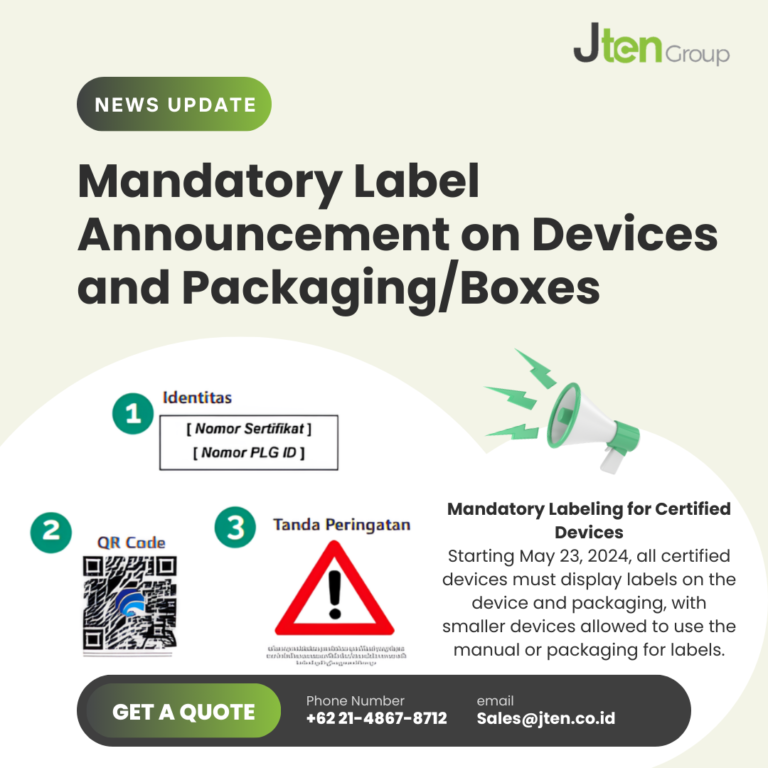
Also, review whether additional labeling, registration, or other obligations apply. Finally, keep all relevant records for future compliance checks and product updates.
Common Mistakes Vendors Should Avoid
Vendors can reduce compliance risks by avoiding several common mistakes. By preparing early, businesses can make the certification process easier to manage.
1. Assuming All Wireless Products Have the Same Requirements
Different wireless technologies and product categories may have different certification requirements.
How to avoid it: Review each product model separately and confirm its certification requirements before importing.
2. Using Incomplete Technical Information
Missing frequency details, unclear specifications, or inconsistent model numbers can make the assessment more difficult.
How to avoid it: Request complete technical documents from the manufacturer. Also, check that all product information is accurate before applying.
3. Relying on Certification From Another Country
A product’s approval in another country does not automatically mean it meets Indonesia’s requirements.
How to avoid it: Review the applicable Indonesian regulations. Then, confirm whether existing test reports or certificates can be accepted.
4. Starting the Process Too Late
Waiting until products are ready to ship may create scheduling problems. For example, vendors may still need additional documents or product testing.
How to avoid it: Check certification requirements during supplier selection and product planning. This gives manufacturers more time to prepare the necessary information.
5. Overlooking Product Changes
Changes to wireless modules, frequency bands, hardware, or model configurations may affect certification requirements.
How to avoid it: Review every product change before importing or selling an updated model. This helps vendors identify whether additional compliance steps are necessary.
Final Thoughts
SDPPI approval is an important consideration when importing wireless electronics into Indonesia. However, the requirements depend on each product’s wireless functions, technical specifications, and classification.
Therefore, vendors should check the applicable rules before shipping their products. They should also prepare complete documents and confirm testing requirements early.
By following these steps, manufacturers, suppliers, and importers can reduce compliance risks. More importantly, they can prepare their wireless products for the Indonesian market with greater confidence.
How JTen Can Help Vendors Prepare for SDPPI Approval
Preparing for product certification can be challenging for vendors who are unfamiliar with Indonesian regulations. Understanding the applicable requirements, gathering technical documents, and coordinating with manufacturers may require careful planning.
JTen provides product compliance services that businesses can explore when preparing to enter the Indonesian market. Depending on the service scope, compliance support may help vendors understand the process, organize product information, and identify the next steps for certification.
Every product still requires an assessment based on its technical features and applicable regulations. Vendors should confirm the available services and requirements before proceeding.
Contact JTEN for more information:
-
Website: https://jten.co.id/
-
Email: sales@jten.co.id
-
WhatsApp: +62 21-4867-8712