What Is Postel Certification for Televisions?
Postel Certification for Televisions is an important consideration for manufacturers and importers who want to enter the Indonesian market. Televisions may include wireless features such as Wi-Fi and Bluetooth, which can affect the applicable certification requirements. Therefore, businesses should understand the Postel Certification for Televisions process and check the relevant regulations before distributing their products in Indonesia.
However, not every television has the same requirements. The need for certification depends on the product type, technical features, and current regulations. For example, wireless functions may affect which technical requirements apply to a particular model.
Why Is Television Certification Important?
Television certification helps businesses understand and meet the rules for electronic products in Indonesia. It also helps manufacturers prepare their products before entering the market.
There are several reasons to check certification requirements early.
-
First, businesses can identify the technical standards that apply to their products.
-
In addition, they can prepare the necessary documents before applying.
-
As a result, they can reduce avoidable delays caused by missing information.
-
Finally, they can check labeling and other obligations before distributing their products.
Step by Step Postel Certification Process
The certification process may vary depending on the product and its technical specifications. Nevertheless, the following steps provide a useful starting point.
Step 1: Check the Certification Requirements
First, identify the television’s brand, model, and technical features. Check whether it uses Wi-Fi, Bluetooth, or other radio communication functions.
Then, confirm the applicable requirements with the relevant certification authority. This step helps businesses choose the correct certification route.
Step 2: Prepare the Required Documents
Next, collect the documents needed for the application. These may include a Business Identification Number (NIB), technical specifications, product photographs, test reports, and a Declaration of Conformity.
The exact list depends on the product and application type. Therefore, review the latest official requirements before submitting the documents.
Step 3: Complete the Required Product Testing
After preparing the documents, determine whether the television needs technical testing. Testing may cover radio frequency performance or other requirements relevant to the device.
If testing is required, use an eligible laboratory and confirm which reports the authority will accept. This helps ensure that the test results match the applicable standards.
Step 4: Submit the Certification Application
Once the required documents are ready, submit the application through the relevant official system. Enter the product information carefully and upload the supporting documents.
Before proceeding, check that the brand, model, and technical specifications match across all files. Consistent information can make the review process easier.
Step 5: Review and Correct the Application
After submission, the authority evaluates the application and supporting documents. If information is missing, the applicant may need to provide additional evidence or make corrections.
For this reason, respond to requests promptly. Doing so can help prevent unnecessary delays.
Step 6: Receive the Certification Certificate
If the application meets all applicable requirements, the authority can issue the certificate. Afterward, check the certificate details to ensure they match the television model.
Keep the certification records for future reference. They may also help when managing product compliance.
Step 7: Follow Product Labeling Requirements
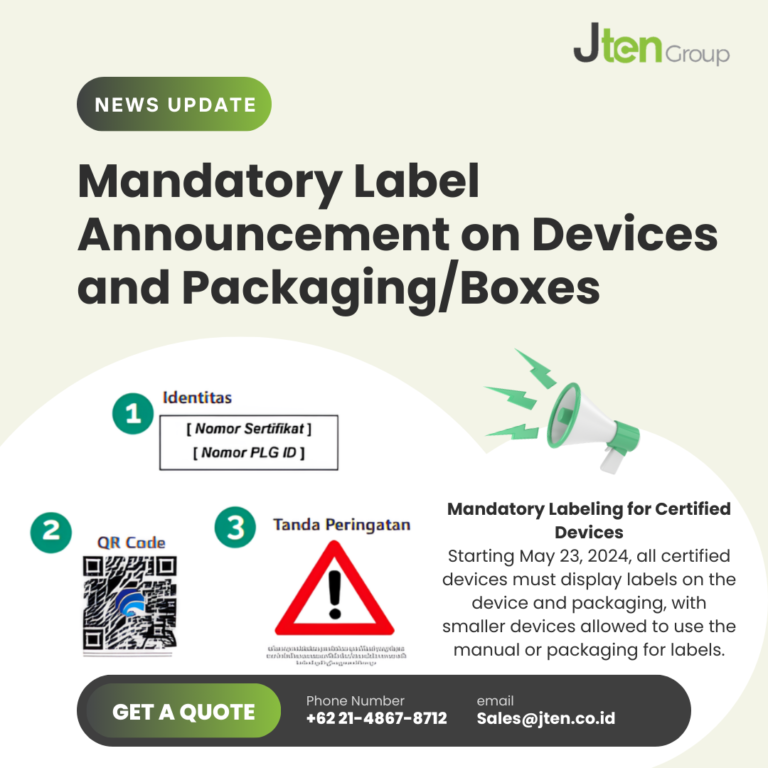
Finally, check the labeling rules that apply to the certified product. Depending on the regulations, a label may be required on the device, its packaging, or another permitted location.
Before distributing the television, make sure that all applicable certification and labeling obligations have been met.
Common Challenges in Postel Certification
Businesses may face several challenges during the certification process. However, careful preparation can help reduce these problems.
Incomplete documents: Missing information can delay the application. To avoid this, review each document before submission.
Unclear testing requirements: Different product features may require different tests. Therefore, confirm the applicable standards before arranging testing.
Changes in regulations: Requirements may change over time. For this reason, always check the latest official guidance.
Differences between models: Television models may have different technical features. As a result, businesses should verify the requirements for each model instead of assuming that one approval covers every product.
How JTEN Can Help with Television Certification
Navigating product certification requirements can be challenging, especially for businesses managing several electronic products. JTEN provides certification support to help businesses understand applicable requirements and prepare their applications.
For example, businesses may need help reviewing documents, identifying relevant standards, and coordinating certification activities. With proper preparation, manufacturers and importers can manage the process more effectively.
If you plan to introduce televisions to Indonesia, contact JTEN to discuss your product and determine which certification requirements may apply.
Contact JTEN for more information:
-
Website: https://jten.co.id/
-
Email: sales@jten.co.id
-
WhatsApp: +62 21-4867-8712