What Is K3L Compliance?
K3L refers to Keamanan, Keselamatan, Kesehatan, dan Lingkungan. In product compliance, these aspects relate to considerations surrounding product safety, health, security, and environmental impact.
K3L requirements are intended to support the circulation of products that meet applicable regulatory requirements and provide appropriate protection and information for consumers.
However, K3L applicability is not automatically the same for every electronic product. The requirements need to be evaluated based on the product’s category, characteristics, specifications, and applicable regulations.
Why K3L Matters for Imported Electronics
Imported electronics can involve a wide range of components and technologies, including electrical systems, batteries, plastics, electronic circuits, wireless modules, and power supplies.
These characteristics can create different compliance considerations.
For example, an electronic product may need to be evaluated based on:
- Its intended use
- Electrical characteristics
- Materials and components
- Battery specifications
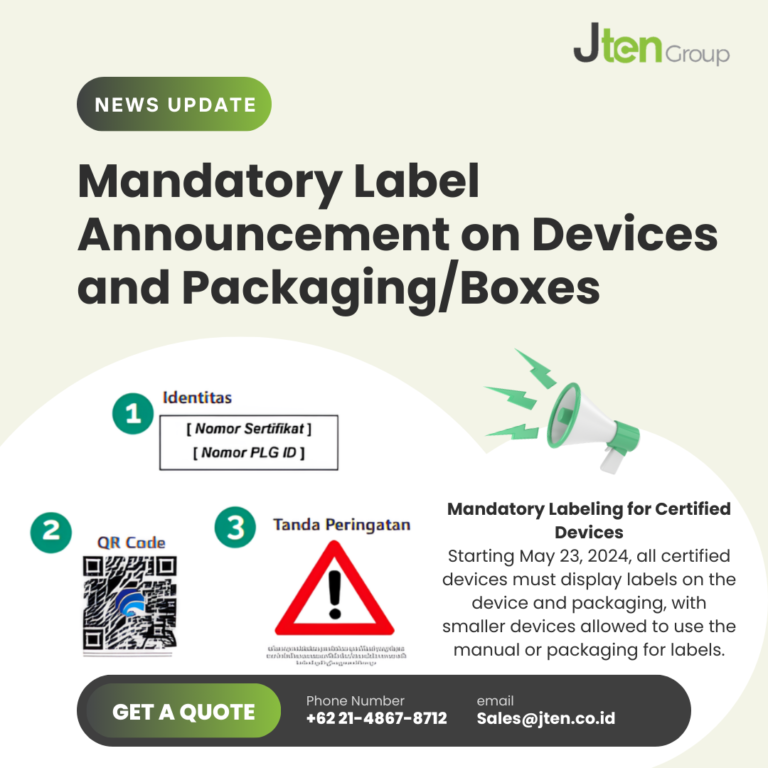
- Product labeling
- Safety information
- Environmental considerations
- Applicable technical requirements
Understanding these factors before importing the product can help businesses avoid unexpected compliance problems.
Key Factors to Evaluate for K3L Compliance
1. Product Category and Classification
The first step is determining exactly what type of product is being imported.
Examples of imported electronics include:
- Household appliances
- Audio equipment
- Computer peripherals
- Smart home devices
- Personal electronic devices
- Gaming accessories
- Wearable devices
- Electronic tools
Product classification can influence which regulatory requirements apply.
Therefore, importers should not rely solely on general product descriptions. The actual specifications and intended use should also be reviewed.
2. Product Materials
Materials used in electronic products can be an important consideration when assessing safety and environmental aspects.
Importers should understand the materials used in:
- Product housings
- Electronic components
- Cables
- Batteries
- Coatings
- Accessories
- Packaging
Having accurate material information from the manufacturer can make the compliance assessment more effective.
3. Electrical and Safety Characteristics
Electrical products should be reviewed carefully because their design and operating characteristics can affect safety considerations.
Relevant information may include:
- Rated voltage
- Rated power
- Operating frequency
- Power supply type
- Adapter specifications
- Electrical protection features
- Product operating conditions
This information can help determine whether additional testing or certification requirements may apply.
4. Battery-Related Considerations
Many modern electronics contain batteries.
Examples include:
- Smartwatches
- Wireless headphones
- Portable speakers
- Gaming controllers
- Smart glasses
- Tablets
- Wireless keyboards
- Portable electronic devices
Battery-powered products can introduce additional considerations related to safety, transportation, labeling, and environmental impact.
Importers should therefore prepare detailed battery information, including the type and specifications of the battery used.
5. Product Labeling
Product labeling is another important area to evaluate before importing electronics.
Depending on the applicable requirements, product information may need to communicate important details such as:
- Product identification
- Model information
- Manufacturer information
- Importer information
- Electrical ratings
- Safety warnings
- Instructions for use
- Other required information
Labels should ideally be reviewed before mass production to prevent costly changes after products have already been manufactured.
6. User Manuals and Safety Information
A product should not only be compliant physically; users also need appropriate information to operate it safely.
Importers should review whether the product documentation adequately explains:
- How to use the product
- Safety precautions
- Operating limitations
- Maintenance instructions
- Warnings
- Battery handling, where applicable
Clear documentation can support safer product use and help demonstrate that relevant product information has been properly prepared.
7. Environmental Considerations
Environmental responsibility is becoming increasingly relevant in product compliance.
For imported electronics, businesses may need to consider factors such as:
- Materials used in the product
- Battery components
- Packaging materials
- Energy consumption
- Product durability
- Waste considerations
- End-of-life handling
These considerations can be particularly important for electronic products containing batteries, plastics, and complex electronic components.
8. Existing Test Reports and Certificates
Manufacturers may already have testing documents or certificates from other markets.
These can include:
- Electrical safety test reports
- EMC reports
- RF test reports
- Battery test reports
- Product safety certificates
- Manufacturer declarations
Existing documents can provide valuable technical information during the assessment process.
However, importers should not assume that a certificate issued in another country automatically satisfies Indonesian requirements. The documents should be reviewed against the applicable Indonesian regulations.
9. Product Connectivity
Modern electronics increasingly include wireless connectivity.
Features such as:
- Bluetooth
- Wi-Fi
- NFC
- Cellular connectivity
- Other RF technologies
can introduce additional regulatory considerations.
For example, an imported wireless keyboard may require a different compliance assessment from a wired keyboard because of its Bluetooth functionality.
Similarly, smart home appliances and wearable devices may require additional evaluation because of their wireless communication capabilities.
Therefore, K3L assessment should ideally be conducted together with a broader product compliance review.
K3L Is Not the Only Requirement for Imported Electronics
One of the most important points for importers is that K3L compliance should not be evaluated in isolation.
Depending on the product, other requirements may also need to be considered.
SNI
Certain electronic and electrical products may be subject to mandatory SNI requirements.
Postel / DJID
Electronic products using applicable wireless communication technologies may require telecommunications certification.
TKDN
Certain products, industries, or procurement activities may involve TKDN requirements.
Laboratory Testing
Specific products may require laboratory testing to demonstrate compliance with applicable technical standards.
This is why a complete product compliance assessment is often more effective than checking a single certification requirement.
Why Importers Should Evaluate K3L Before Shipment
One of the biggest compliance risks occurs when businesses only evaluate requirements after products have already been manufactured or shipped.
Late assessment can result in:
- Additional testing
- Documentation revisions
- Product modifications
- Increased costs
- Shipment delays
- Delayed market launches
By evaluating K3L requirements before production and shipment, importers have more time to address potential issues.
What Documents Should Importers Prepare?
For an initial K3L and product compliance assessment, businesses should ideally prepare:
- Product name and model
- Product specifications
- Technical datasheet
- Product photographs
- Product labels
- User manual
- Material information
- Battery specifications, if applicable
- Manufacturer information
- Existing test reports
- Existing certificates
Complete documentation allows compliance specialists to better understand the product and identify the appropriate regulatory pathway.
Benefits of Early K3L Assessment
Reduce Compliance Risks
Potential issues can be identified before the product reaches the Indonesian market.
Improve Launch Planning
Certification and testing activities can be incorporated into the product launch timeline.
Control Costs
Identifying problems early can reduce the possibility of expensive modifications later.
Improve Documentation
Product labels, manuals, and technical documents can be prepared in advance.
Support Faster Market Entry
A well-planned compliance process can help minimise unnecessary delays.
How JTen Can Help
JTen supports manufacturers, importers, and brand owners in navigating Indonesia’s product compliance requirements.
Our services include:
- K3L compliance assessment
- Product compliance consultation
- SNI certification support
- Postel/DJID certification
- TKDN consultation
- Laboratory testing coordination
- Technical documentation review
- Product labeling review
- Compliance strategy consultation
- End-to-end certification support
Whether you are importing household appliances, smart devices, computer accessories, wearable electronics, gaming products, or other electronic equipment, JTen can help evaluate the applicable compliance requirements before your products enter the Indonesian market.
Conclusion
K3L compliance is an important consideration for businesses importing electronic products into Indonesia. However, determining compliance should go beyond simply checking whether a product falls into a particular category.
Importers should evaluate the product classification, materials, electrical characteristics, batteries, labeling, user information, environmental aspects, connectivity features, and supporting documentation.
Most importantly, the assessment should be performed before production and shipment.
By planning compliance early and evaluating K3L alongside other applicable requirements such as SNI, Postel/DJID, and TKDN, businesses can reduce regulatory risks and prepare their products for a smoother market entry.
Planning to import electronics into Indonesia? JTen can help assess your K3L and other product compliance requirements before your product launch.